


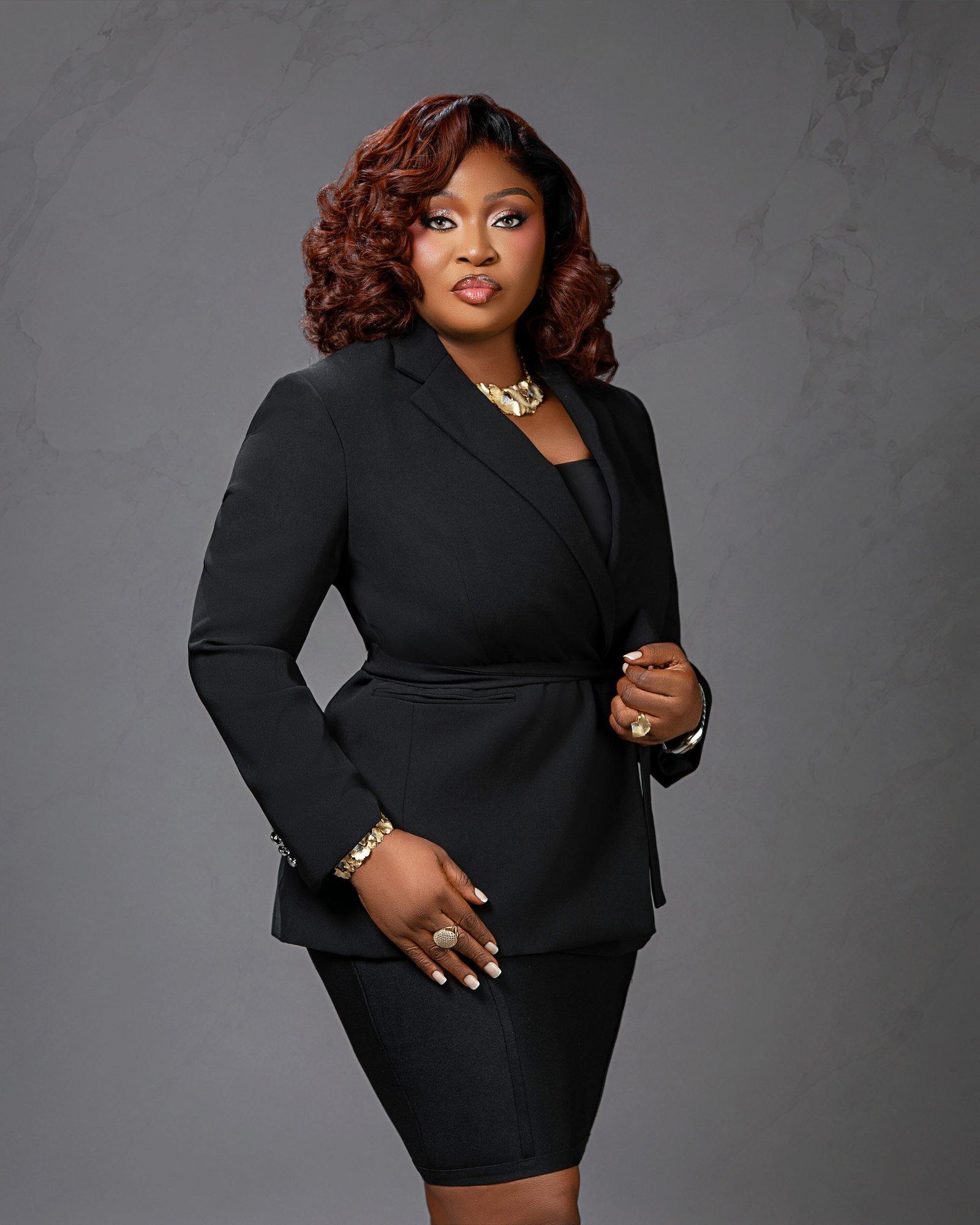
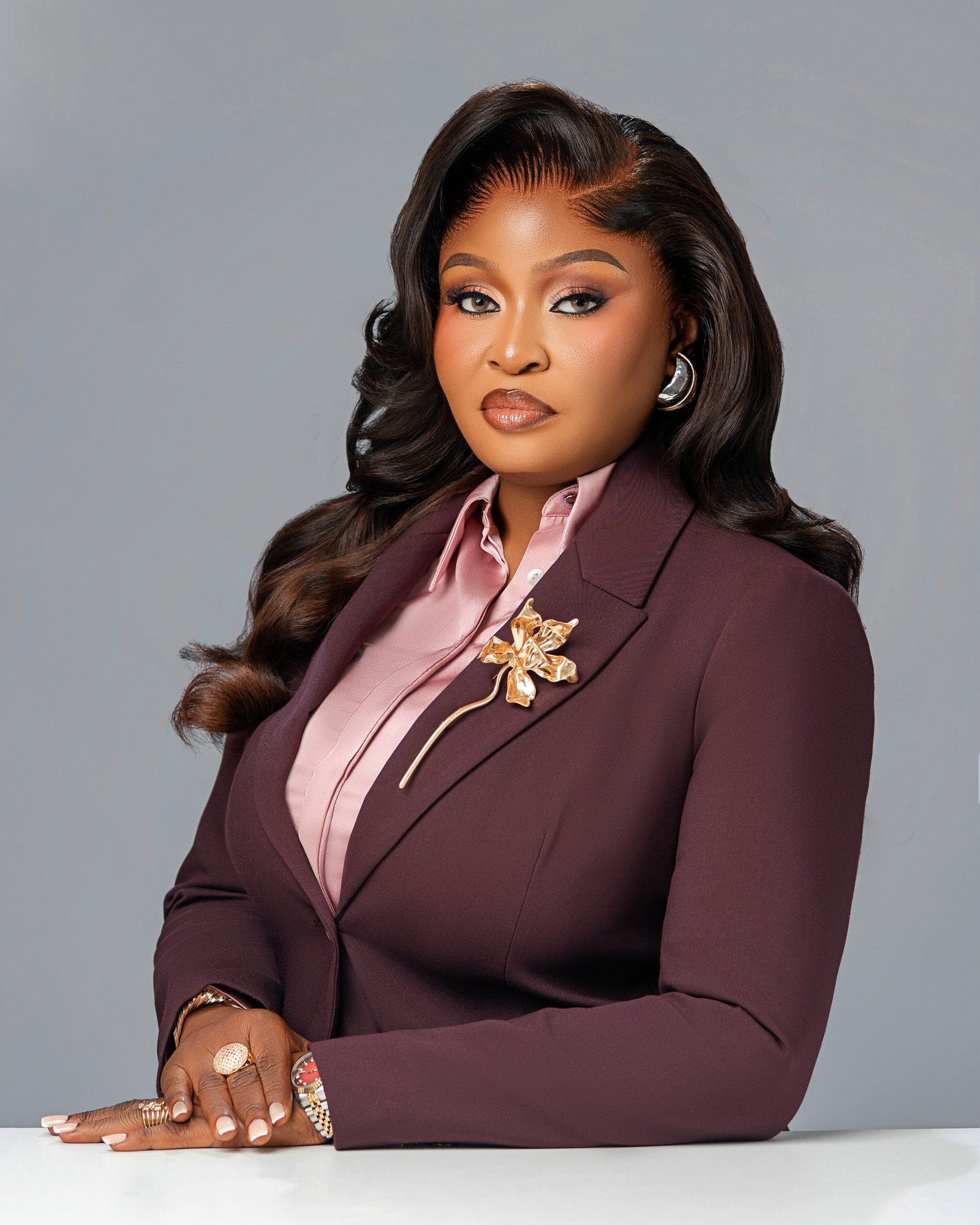
Building a career that brings together medical science, entrepreneurship and ethical responsibility requires professional competence, continuous learning and a clear sense of purpose. For Dr. Ajose Bukola, these principles have shaped her journey as a medical doctor, aesthetic medicine practitioner and founder of Shape & Skin Aesthetics.
From her medical education at the University of Ghana Medical School to her international learning experiences at the University of Michigan and the American Academy of Aesthetic Medicine in Dubai, Dr. Ajose Bukola has pursued professional development that reflects her commitment to understanding the science and responsibilities behind aesthetic enhancement. Her advanced training in liposuction and fat transfer has further strengthened her interest in body contouring and individualised patient care.
Her entrepreneurial journey led to the establishment of Shape & Skin Aesthetics, a medical aesthetics practice offering liposuction, fat transfer, weight management and medical skin-lightening treatments. Through the practice, she is working to build an institution where medical standards, patient education, professional integrity and safety guide treatment decisions.
As a woman navigating the responsibilities of medicine and business leadership, Dr. Ajose Bukola recognises that building a reputable healthcare institution requires more than clinical knowledge. It demands effective leadership, operational discipline, accountability and the ability to maintain professional standards while pursuing sustainable business growth.
What distinguishes her professional philosophy is her willingness to challenge unrealistic beauty standards while respecting the choices of women who pursue aesthetic enhancement. She believes that beauty should remain an expression of personal preference rather than a condition for acceptance, confidence or self-worth.
Her perspective is particularly evident in her preferred discussion topic, When Beauty Becomes a Burden: Are Women Being Sold Insecurity? Through this conversation, she draws attention to the responsibility of medical practitioners and beauty industry professionals in shaping public perceptions of physical appearance.
In this Crest Africa Spotlight Interview, we celebrate the professional journey of Dr. Ajose Bukola, her entrepreneurial leadership at Shape & Skin Aesthetics, her commitment to ethical aesthetic medicine and her vision for a healthier understanding of beauty and self-worth in Nigeria.
Dr. Ajose Bukola’s Journey Into Aesthetic Medicine
Crest Africa: Your journey into aesthetic medicine began with your medical education at the University of Ghana Medical School and an interest in the relationship between physical appearance, confidence and personal wellbeing. What drew you to this area of medicine, and how has your understanding of beauty evolved throughout your professional journey?
Dr. Ajose Bukola: My journey into aesthetic medicine started with my medical background and a growing interest in the relationship between physical appearance, confidence and overall wellbeing.
During my medical education at the University of Ghana Medical School, I developed an appreciation for how different aspects of health influence a person’s quality of life. Over time, I became particularly interested in aesthetic medicine because it combines medical science, clinical skills and an understanding of individual patient needs.
What attracted me was the opportunity to help people achieve changes that are meaningful to them, while maintaining the medical principles that should guide every treatment.
However, my understanding of beauty has evolved significantly. I have come to appreciate that beauty is subjective, personal and influenced by many factors, including culture, society and individual experiences.
I no longer see aesthetic medicine simply as a way of changing physical appearance. I see it as a medical specialty that requires responsibility, careful judgement and an understanding of the person behind the treatment request.
For me, the goal is not to make everyone look the same. It is to help patients make informed decisions about their appearance without losing their individuality.
Advancing Her Medical Expertise Through International Training
Crest Africa: Your professional development has taken you to the University of Michigan and the American Academy of Aesthetic Medicine in Dubai, where you pursued advanced training in liposuction and fat transfer. How have these international learning experiences shaped your approach to aesthetic medicine and patient care?
Dr. Ajose Bukola: My professional development has been influenced by my exposure to different learning environments, including experiences at the University of Michigan and my training with the American Academy of Aesthetic Medicine in Dubai.
These experiences broadened my understanding of aesthetic medicine and reinforced the importance of continuous professional development.
One of the most important lessons I have taken from international training is that aesthetic medicine must be approached as medicine first, not simply as a beauty service.
Understanding anatomy, patient selection, procedural techniques, possible complications and appropriate patient management is essential.
My advanced training in liposuction and fat transfer also strengthened my interest in body contouring and the importance of understanding the patient’s anatomy and individual expectations before recommending a procedure.
I believe that international exposure is valuable, but it must be combined with continuous learning, practical experience and an understanding of the patients and healthcare environment you serve.
Ultimately, my responsibility is to ensure that the knowledge I acquire translates into safer, more informed and more responsible patient care.
Building Shape & Skin Aesthetics as a Medical Doctor and Entrepreneur
Crest Africa: You established Shape & Skin Aesthetics with a vision centred on medical standards, patient education and individualised treatment planning. What inspired you to build your own practice, and what have been the most defining lessons from balancing your responsibilities as a medical doctor and an entrepreneur?
Dr. Ajose Bukola: I established Shape & Skin Aesthetics because I wanted to build a practice where aesthetic treatments could be approached with proper medical standards, patient education and individualised care.
I recognised that the growing demand for aesthetic procedures created an opportunity to provide services within a more structured medical environment.
I wanted patients to have access to aesthetic treatments where their health, safety and individual needs were considered before any procedure was recommended.
Building a medical practice has also taught me that being a good doctor and being a good entrepreneur require different but complementary skills.
As a doctor, my responsibility is to the patient. As an entrepreneur, I have to think about staffing, finances, operations, patient experience, quality control and the sustainability of the organisation.
One of my biggest lessons has been that having a vision is not enough. You need the right people, effective systems and the discipline to maintain standards even when things become challenging.
I am learning that building a reputable healthcare brand is a long-term commitment. It requires consistency, accountability and the willingness to keep improving.
Championing Patient Safety and Individualised Care at Shape & Skin Aesthetics
Crest Africa: Shape & Skin Aesthetics offers liposuction, fat transfer, weight management and medical skin-lightening treatments. How do you assess a patient’s suitability for these treatments, and what principles guide your decisions when a patient’s expectations conflict with medical advice or safety considerations?
Dr. Ajose Bukola: My approach begins with understanding the patient, not the procedure they are requesting.
Before recommending any aesthetic treatment, I consider their medical history, general health, physical examination findings, expectations and the potential risks and benefits of the proposed intervention.
For surgical procedures such as liposuction and fat transfer, patient selection is particularly important. We have to consider factors such as medical fitness, body composition, anatomical suitability, surgical risk and the patient’s understanding of the procedure.
I also believe that understanding motivation is important. I want to know why someone wants a particular treatment and what they expect to achieve from it.
There are situations where a patient may request a procedure that I do not consider medically appropriate. In such circumstances, I believe it is my responsibility to explain my concerns honestly and recommend a safer alternative where possible.
There is an important distinction between respecting a patient’s autonomy and agreeing to every request.
Patients have the right to make decisions about their bodies, but medical practitioners also have a responsibility not to offer treatments that could place patients at unnecessary risk.
At Shape & Skin Aesthetics, patient safety must always come before commercial considerations.
Dr. Ajose Bukola’s Commitment to Patient Education and Addressing Medical Misinformation
Crest Africa: You have identified misinformation and unrealistic expectations as significant challenges in aesthetic medicine. What are the most concerning misconceptions you encounter about liposuction and fat-transfer procedures, and what should patients understand before making these medical decisions?
Dr. Ajose Bukola: One of the biggest misconceptions about liposuction is that it is a weight-loss procedure.
Liposuction is primarily a body-contouring procedure. It is designed to remove localised deposits of fat and improve body proportions. It is not a substitute for healthy weight management, exercise or long-term lifestyle changes.
Another misconception is that liposuction is a simple procedure because it is widely advertised on social media.
People sometimes see attractive before-and-after pictures without understanding the medical assessment, surgical planning, recovery process and potential complications involved.
With fat transfer, particularly Brazilian Butt Lift procedures, there is also a tendency to focus heavily on the final appearance without appreciating the importance of safety, anatomical knowledge and appropriate fat placement. Patients should understand that every medical procedure carries risks, and no responsible practitioner should promise a perfect result.
I also encourage patients to look beyond social media pictures when choosing a practitioner. They should ask about medical qualifications, relevant training, experience, the surgical environment, complication management and follow-up care.
My message is simple: aesthetic procedures should be approached with the same seriousness as any other medical intervention.
Challenging Unrealistic Beauty Standards and Advocating for Women’s Self-Worth
Crest Africa: Your preferred discussion topic, “When Beauty Becomes a Burden: Are Women Being Sold Insecurity?”, examines the relationship between beauty standards and commercial interests. How do social media, celebrity culture and beauty marketing influence women’s self-perception, and where should the industry draw the line between promoting aesthetic enhancement and profiting from insecurity?
Dr. Ajose Bukola: I think this is one of the most important conversations we need to have as a society.
Social media has significantly changed how women experience beauty. We are constantly exposed to images of what society considers attractive, from body shapes and facial features to skin tones and physical proportions.
The challenge is that many of these images are edited, filtered or presented in ways that create unrealistic expectations.
Beauty marketing can also contribute to this problem when it deliberately makes women feel that something about their appearance is inadequate and then presents a product or procedure as the solution.
I believe there is a difference between creating awareness about aesthetic treatments and creating insecurity to sell those treatments.
As medical practitioners and people working within the beauty industry, we must recognise that our words and marketing strategies can influence how people feel about themselves.
We should not make women feel that they need to change their bodies to be accepted, attractive or worthy.
I am not against aesthetic enhancement. I believe women should have the freedom to make decisions about their appearance.
However, I strongly believe that those decisions should come from personal preference rather than pressure, comparison or fear of not being good enough.
Beauty should be an expression of choice, not a burden women have to carry.
Redefining Beauty Through Personal Choice and Ethical Medical Practice
Crest Africa: You believe beauty should be a personal choice rather than a source of pressure, without condemning women who choose aesthetic enhancement. How can medical practitioners respect patients’ personal choices while promoting realistic expectations, informed consent and a healthy sense of self-worth?
Dr. Ajose Bukola: I believe it starts with understanding that our patients are individuals with different experiences, preferences and reasons for seeking aesthetic treatments.
As medical practitioners, we should not impose our personal definition of beauty on patients, nor should we judge women for choosing to undergo aesthetic procedures.
At the same time, we have a responsibility to ensure that patients understand what a procedure can realistically achieve, its limitations and the possible risks involved.
I place a lot of importance on consultations and patient education. Sometimes, patients come in with expectations shaped by celebrities, social media or photographs they have seen online.
It is our responsibility to have honest conversations and help them understand what is medically achievable for their individual anatomy.
There are also situations where the most appropriate medical decision is to recommend against a procedure.
I believe we can respect a woman’s right to make choices about her body while still protecting her from unnecessary medical risks and unrealistic promises.
Ultimately, I want women to understand that aesthetic enhancement can be a personal choice, but it should never determine their value or self-worth.
Leading the Growth of Shape & Skin Aesthetics Through Professional Excellence
Crest Africa: You are currently focused on strengthening Shape & Skin Aesthetics, developing a professional team and improving the patient experience. What standards are you prioritising as you grow the practice, and how do you ensure that commercial ambitions never overshadow patient safety and ethical responsibility?
Dr. Ajose Bukola: As we grow Shape & Skin Aesthetics, my priority is to build an institution that is recognised not only for the treatments it offers but also for the quality of care and professional standards it maintains.
There are several areas I consider particularly important.
First is patient safety. Every treatment must be guided by appropriate medical assessment, clinical protocols and proper patient selection.
Second is the quality of our team. Healthcare is not something one person can deliver successfully in isolation. You need trained professionals who understand their responsibilities and share the same commitment to patient care.
Third is the patient experience. From the first enquiry and consultation to treatment, recovery and follow-up, every interaction should reflect professionalism, compassion and organisation.
I also want to strengthen our patient education and communication. Patients should understand their treatments, their responsibilities during recovery and when to seek medical attention.
As a business owner, I understand that financial sustainability and growth are important. However, I do not believe that growth should come at the expense of ethical practice.
I want Shape & Skin Aesthetics to become a trusted name in medical aesthetics, built on competence, transparency, consistency and patient safety.
Inspiring the Next Generation of Ethical Aesthetic Medicine Practitioners
Crest Africa: As a woman in medicine and entrepreneurship, you emphasise proper training, professional integrity and continuous learning. What advice would you give aspiring aesthetic medicine practitioners seeking to build credible and sustainable careers in an industry influenced by changing beauty trends?
Dr. Ajose Bukola: My advice would be to take the medical foundation seriously.
Aesthetic medicine is sometimes presented as an attractive and financially rewarding industry, but behind every procedure is a patient who is trusting you with their health and appearance.
That responsibility should never be underestimated.
Aspiring practitioners should invest in proper medical education, relevant specialist training, supervised practical experience and continuous professional development.
They must also understand anatomy, patient selection, contraindications, complications and emergency management.
Another important piece of advice is not to allow social media trends or financial incentives to determine clinical decisions.
A procedure becoming popular does not automatically make it appropriate for every patient, and being able to perform a procedure does not mean you should perform it on everyone who requests it. I would also encourage young practitioners to build their careers around professional integrity rather than visibility alone.
Reputation takes time to establish, but it can be damaged very quickly.
For me, sustainable success in aesthetic medicine comes from knowledge, competence, ethical practice and the ability to put patients first.
Dr. Ajose Bukola’s Vision for the Future of Ethical Aesthetic Medicine in Nigeria
Crest Africa: Beyond establishing Shape & Skin Aesthetics as a trusted name in medical aesthetics, you want to contribute to a healthier understanding of beauty, confidence and self-worth in Nigerian society. Looking ahead, what lasting impact do you hope to make through your medical practice, entrepreneurial journey and public advocacy?
Dr. Ajose Bukola: Beyond building Shape & Skin Aesthetics into a reputable name in medical aesthetics, I want to contribute to changing the way people understand beauty and aesthetic medicine.
I want to be part of a generation of practitioners who demonstrate that aesthetic medicine can be practised responsibly, with proper medical standards and respect for individual choices.
Through Shape & Skin Aesthetics, I hope to build an institution where patients feel safe, respected, educated and confident in the decisions they make about their bodies.
As a woman in medicine and entrepreneurship, I also hope to encourage other women who want to build meaningful careers and businesses in fields they are passionate about.
But perhaps the impact that matters most to me is the conversation around beauty and self-worth.
I want women to understand that they do not have to fit into a particular body shape, skin tone or facial standard to be beautiful or valuable.
If a woman chooses to undergo an aesthetic procedure, that choice should be respected. If another woman chooses not to, that choice should be equally respected.
Celebrating a Medical Entrepreneur With a Purpose Beyond Beauty
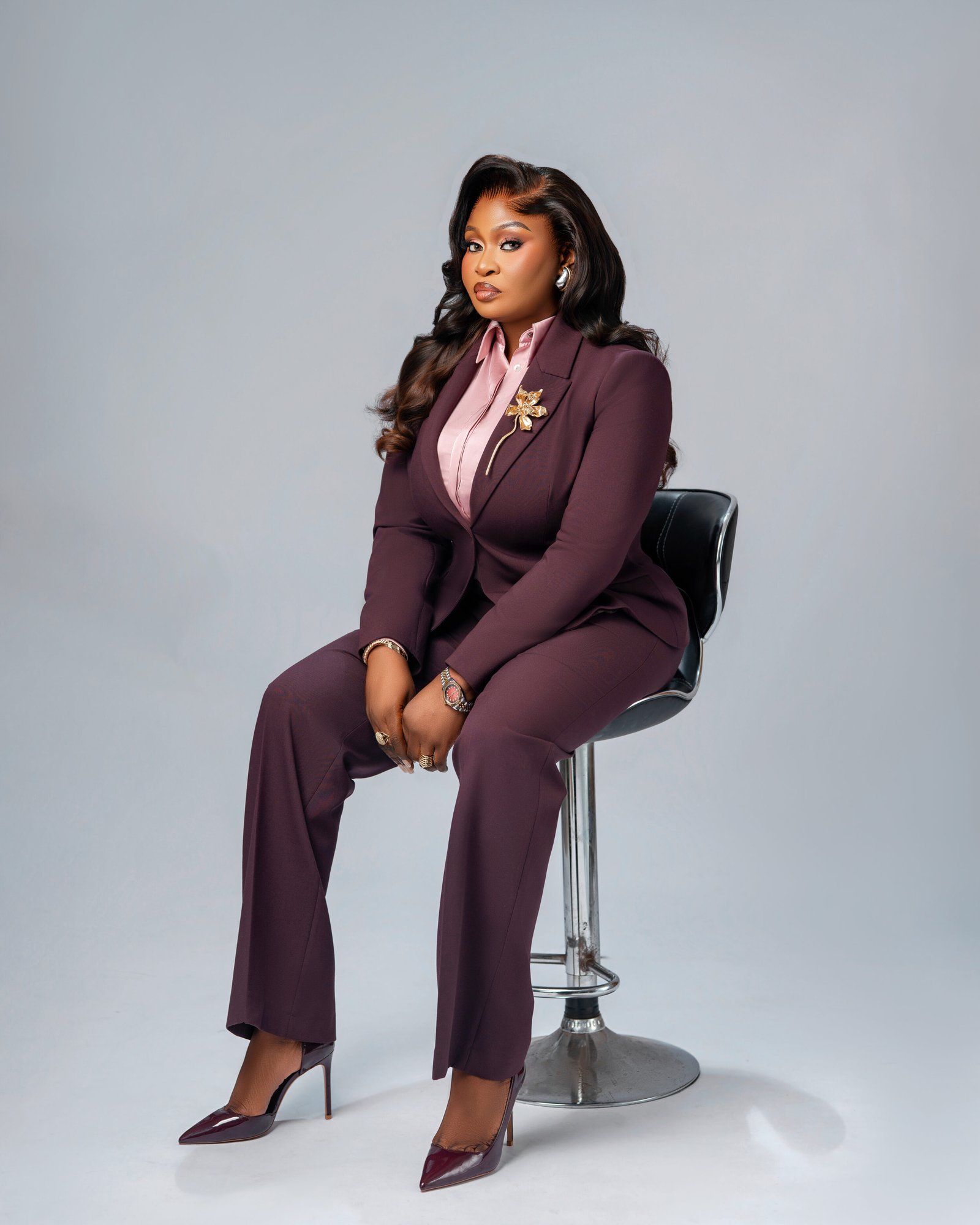
The professional journey of Dr. Ajose Bukola brings together medical education, international professional development, entrepreneurship and a commitment to patient-centred care. Her establishment of Shape & Skin Aesthetics represents an important milestone in her career and provides a foundation for the medical institution she aspires to build.
Her willingness to address unrealistic beauty standards while respecting individual choices reflects a professional philosophy that extends beyond aesthetic procedures. By placing patient education, informed decision-making and ethical responsibility at the centre of her approach, she is contributing her perspective to an important conversation about the future of aesthetic medicine in Nigeria.
As Crest Africa celebrates Dr. Ajose Bukola, we recognise her entrepreneurial ambition, dedication to continuous learning and commitment to building a medical practice guided by professional integrity. Her journey offers an encouraging example to aspiring women in medicine and entrepreneurship who seek to build meaningful careers without compromising the principles that define their work.
Through her practice and advocacy, she reminds us that the pursuit of beauty should never come at the expense of health, individuality or self-worth.