


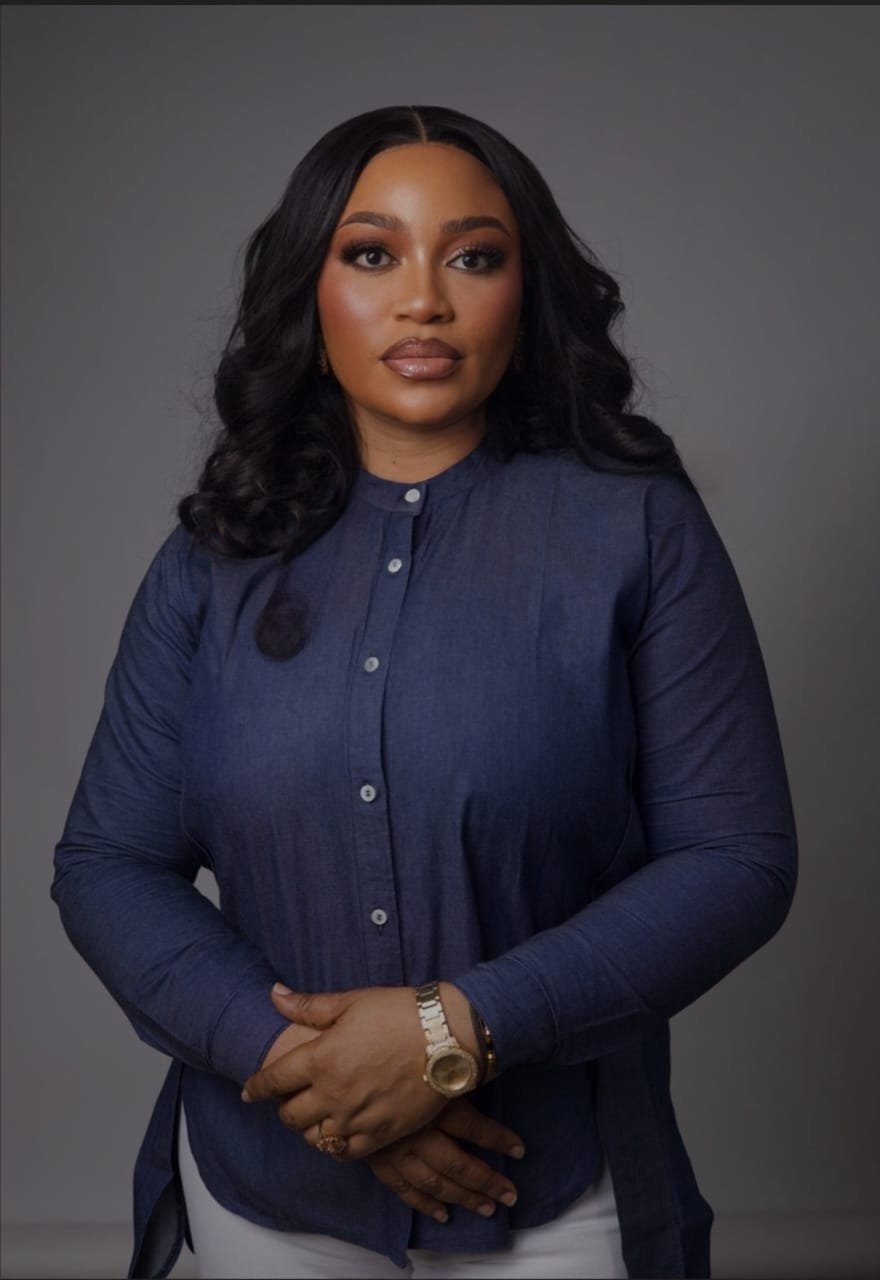
For more than 21 years, Awele Obinna-Iroegbu has built her career in Nigeria’s energy industry, working across regulatory governance, compliance, supply chain oversight and Nigerian Content development. Her experience has shaped a professional outlook centred on strengthening institutions and ensuring that Africa’s energy resources create lasting economic opportunities for its people.
An energy governance and sustainability leader, international speaker and African energy development advocate, Obinna-Iroegbu believes the industry’s success should be measured by more than production volumes and financial returns. For her, an equally important measure is the capacity of indigenous businesses to develop technical expertise, compete internationally and contribute to economic growth.
Her work in energy governance has exposed her to the relationship between regulatory policies and their implementation within organisations. Over the years, she has observed how legislation can create opportunities for local enterprises while recognising that meaningful progress depends on how effectively those policies are translated into business practices.
One area of particular importance to her is Nigerian Content development, which has influenced indigenous participation in the country’s oil and gas industry. The Nigerian Oil and Gas Industry Content Development Act of 2010 established a framework for increasing Nigerian participation, but Obinna-Iroegbu believes the next stage of progress must focus on helping local companies develop independent technical and commercial capabilities.
Her position is that awarding contracts to indigenous businesses is only part of the process. She wants greater attention directed towards technology transfer, access to finance and the development of companies capable of delivering complex projects without depending indefinitely on foreign expertise.
This perspective also informs her approach to regulatory compliance. Rather than treating compliance as an administrative obligation, she advocates integrating regulatory requirements into organisational planning and decision-making. She supports the use of digital reporting systems, approval trackers and compliance dashboards to improve accountability and help organisations identify risks early.
Having worked across regulatory compliance and supply chain oversight, Obinna-Iroegbu understands the commercial implications of regulatory decisions. She believes effective governance should protect investment and strengthen operational efficiency while creating opportunities for indigenous enterprises.
Her advocacy extends to Africa’s energy transition. As countries face pressure to adopt cleaner energy systems, she has called for policies that recognise the continent’s development needs, including reliable electricity access, industrialisation and employment.
For Obinna-Iroegbu, environmental sustainability and economic development must be pursued together. She believes African countries should develop energy strategies suited to their resources and circumstances while strengthening the institutions responsible for attracting investment and maintaining accountability.
She is equally concerned about women’s participation in the industry. Having spent more than two decades working in a traditionally male-dominated sector, she advocates stronger leadership pathways and greater representation of women in the decisions that shape energy policy and investment.
Her professional ambitions also extend to Africa’s influence in international energy discussions. She believes African professionals must contribute more actively to global conversations, bringing practical experience in regulation, industrial development and local enterprise participation.
Through her work and advocacy, Awele Obinna-Iroegbu is seeking to contribute to an African energy industry where governance supports economic development, indigenous enterprises become internationally competitive and future generations have greater opportunities to participate.

In this Crest Africa Spotlight Interview, Awele Obinna-Iroegbu discusses her 21-year career, the future of energy governance, the importance of Nigerian Content development, Africa’s energy transition, women’s leadership and the legacy she hopes to build.
Also read this : Ibrahim Mahama: How a Ghanaian Mining Contractor Built an Industrial Business Across 4 Sectors
How Awele Obinna-Iroegbu’s 21-Year Career Shaped Her Perspective on Africa’s Energy Industry
Crest Africa: With over 21 years of experience in Nigeria’s energy industry, you have built a career spanning regulatory governance, compliance and indigenous enterprise development. What first drew you to the energy sector, and how have your experiences shaped your understanding of its role in Africa’s economic development?
Awele Obinna-Iroegbu: What initially drew me to the energy sector was the enormous significance of the industry to Nigeria’s economy and, more importantly, its potential to shape the future of our country. I have always been fascinated by industries that sit at the intersection of economic development, national policy and people’s livelihoods. Energy represents all three.
Over the past 21 years, my journey has given me a much deeper appreciation of just how transformative this industry can be. I have come to understand that energy is not merely about oil production, gas infrastructure or revenue generation. It is about the opportunities created around these activities: the businesses that emerge, the skills that are developed, the technology that is transferred, the institutions that are strengthened and the communities whose lives can be changed.
Working in regulatory governance and Nigerian Content development has particularly shaped this perspective. I have seen how deliberate policies can create opportunities for indigenous businesses to participate in an industry that was historically dominated by foreign expertise and capabilities.
But I have also seen that having the right policies is only the beginning. The real test is whether those policies translate into sustainable businesses, meaningful employment, stronger institutions and greater economic participation.
Today, I see the energy sector as one of Africa’s most important instruments for economic transformation. My conviction is that we must move beyond measuring success solely by production figures and financial returns. We must also measure it by how much capacity we build, how many African businesses become globally competitive and how much lasting value we create for future generations.
That, for me, is the true promise of Africa’s energy industry.
Strengthening Energy Governance and Regulatory Compliance in Nigeria
Crest Africa: Your professional work involves translating regulatory frameworks into practical strategies that strengthen compliance and institutional accountability. What have been the most important lessons from navigating Nigeria’s energy regulatory environment, and how have they influenced your approach to governance?
Awele Obinna-Iroegbu: One of the most important lessons I have learnt is that regulation is only as effective as the institutions and people responsible for implementing it.
Nigeria has made significant progress in developing regulatory frameworks to promote accountability, transparency and indigenous participation. The Nigerian Oil and Gas Industry Content Development (NOGICD) Act of 2010, for instance, was a defining intervention in the country’s quest to retain greater value from its oil and gas resources.
However, navigating the regulatory environment over the years has taught me that there is often a gap between what a regulation intends to achieve and what organisations actually implement.
I have learnt that compliance cannot be treated as an annual reporting exercise or a box-ticking responsibility. It must be embedded in organisational strategy, operational processes and decision-making.
In my own practice, I have increasingly focused on moving compliance from a reactive function to a proactive governance tool. This means anticipating regulatory obligations, identifying risks early, strengthening internal accountability and ensuring that relevant stakeholders understand their responsibilities.
For example, I strongly believe in the value of technology and structured oversight. Initiatives such as compliance dashboards, approval-tracking systems, automated reminders for expiring regulatory approvals and more systematic statutory reporting can significantly improve institutional responsiveness and accountability.
Another important lesson is the need to balance regulatory compliance with commercial and operational realities. Governance should not become an unnecessary impediment to business. Rather, it should provide clarity, predictability and confidence for organisations, regulators, investors and other stakeholders.
Ultimately, I have come to see governance not simply as the enforcement of rules, but as the creation of an environment in which organisations can do the right things consistently, transparently and sustainably.
Moving Nigerian Content Development From Compliance to Industrial Growth
Crest Africa: You believe Nigerian Content development should go beyond regulatory compliance to become a driver of industrialisation, technology transfer and economic empowerment. What practical changes are needed to turn this vision into measurable outcomes for indigenous enterprises?
Awele Obinna-Iroegbu: I feel particularly strongly about this because Nigerian Content development is much bigger than compliance with a regulatory requirement. At its core, it is about building the capacity of a nation to participate meaningfully in an industry that is central to its economic future.
For me, the next phase of Nigerian Content development must be about moving from participation to competitiveness, and from contract opportunities to sustainable enterprise development.
There are several practical changes I believe are necessary.
First, we must deliberately move from contract allocation to capability development. Awarding contracts to indigenous companies is important, but we must also ask whether those companies are acquiring the technology, technical expertise, financial strength and management capacity to compete independently.
Second, technology transfer must become more intentional and measurable. Partnerships between international companies, indigenous businesses, research institutions and centres of excellence should have clear deliverables around skills transfer, research, innovation and local manufacturing.
Third, access to finance remains critical. Indigenous enterprises often have the technical capacity and ambition to participate but struggle with funding, guarantees, access to equipment and the financial requirements of operating in the energy industry. We need stronger financial partnerships and innovative financing structures that recognise the peculiarities of local enterprises.
Fourth, we must strengthen the connection between the energy industry and our educational and research institutions. Our universities, technical institutions and centres of excellence should be actively involved in solving industry problems and developing homegrown solutions.
Finally, we need to measure outcomes differently. Beyond the number of contracts awarded or the percentage of local content achieved, we should measure the number of indigenous companies that have developed independent technical capabilities, the jobs created, local manufacturing capacity established, technology transferred and businesses that have successfully expanded beyond the Nigerian market.
My vision is to see Nigerian enterprises that are not merely beneficiaries of local content policies but are respected industry players, capable of competing across Africa and globally.
That is when Nigerian Content will have fulfilled its greatest purpose.
Turning Regulatory Obligations Into Measurable Business Outcomes
Crest Africa: Having worked across regulatory compliance, supply chain oversight and stakeholder engagement, you understand the complexities of implementing industry standards. What are the biggest challenges organisations face in turning regulatory obligations into measurable operational and economic outcomes?
Awele Obinna-Iroegbu: I think one of the biggest challenges is the disconnect between regulatory understanding, organisational priorities and operational execution.
In many organisations, regulatory compliance is still viewed as the responsibility of a particular department rather than a shared institutional obligation. This creates a situation where compliance teams understand what is required, but the operational, procurement, finance and project teams do not always fully appreciate how their decisions affect the organisation’s regulatory standing and broader business objectives.
Another challenge is the quality and availability of data. Organisations cannot effectively measure compliance or performance if information is fragmented, inaccurate or only collated when a regulator requests it. This is why I advocate for stronger digital systems, integrated reporting and real-time visibility of regulatory obligations.
There is also the challenge of balancing commercial efficiency with regulatory requirements. In the energy industry, delays in contracting, approvals and procurement can have significant financial and operational implications. However, bypassing regulatory requirements is not a sustainable solution.
I have found that effective stakeholder engagement is particularly important. Regulatory bodies, management, procurement teams, project owners, contractors and indigenous businesses must understand that they are part of the same value chain.
In my experience, practical solutions often come from improving processes rather than simply escalating compliance concerns. This could mean front-loading procurement requirements, maintaining clear approval trackers, engaging regulators early and establishing accountability for outstanding actions.
I also believe organisations need to move towards measuring the economic value of compliance. Does the process reduce regulatory exposure? Does it improve contracting efficiency? Does it protect investment? Does it create opportunities for local businesses? Does it strengthen operational resilience?
When organisations begin to answer these questions, compliance stops being viewed as a cost centre and becomes an important contributor to business performance and long-term value creation.
Removing Barriers to Indigenous Enterprise Growth in Africa’s Energy Sector
Crest Africa: You have consistently advocated for greater participation of African enterprises in the energy value chain. What structural barriers continue to limit indigenous businesses, and how can industry stakeholders create more sustainable opportunities for their growth?
Awele Obinna-Iroegbu: I believe Africa has enormous entrepreneurial potential, but potential alone is not enough to create sustainable participation in a highly technical and capital-intensive industry such as energy.
Some of the biggest barriers facing indigenous enterprises are access to affordable capital, limited access to advanced technology, inadequate infrastructure, skills gaps, complex procurement requirements and the difficulty of securing long-term business opportunities.
There is also a structural challenge around the nature of participation. Sometimes, indigenous companies are positioned primarily as intermediaries or subcontractors rather than being supported to develop the technical and financial capabilities to own, operate and deliver complex projects independently.
We must begin to change that narrative.
I believe industry stakeholders have a responsibility to create an ecosystem that allows indigenous businesses to grow beyond individual contract opportunities.
International companies can play a significant role through genuine partnerships, joint ventures, technical collaboration and deliberate knowledge transfer. Financial institutions can develop financing products that reflect the realities of indigenous energy businesses. Governments and regulators can strengthen policies that encourage local manufacturing, innovation and enterprise development.
We must also create stronger linkages between large energy companies and smaller local businesses. A deliberate supplier development programme, for example, can help indigenous companies improve their technical standards, health and safety systems, financial management and corporate governance so that they can meet international requirements.
One area I am particularly interested in is the development of indigenous enterprises within the broader communities where energy operations take place. Local participation should extend beyond employment opportunities to sustainable businesses that can provide goods and services, support community economies and create long-term wealth.
My aspiration is to see an African energy ecosystem in which our businesses are not simply participating because legislation requires it, but because they have developed the capabilities to compete on merit.
We should be building African companies that can take their expertise from Nigeria to Ghana, Angola, Namibia, Mozambique and beyond.
Balancing Africa’s Energy Transition With Economic Development
Crest Africa: As Africa navigates the global energy transition, you have advocated for governance approaches that recognise the continent’s development priorities. How can African countries pursue sustainability while protecting their economic interests and strengthening their energy institutions?
Awele Obinna-Iroegbu: I believe Africa must approach the energy transition with a clear understanding of its own realities, priorities and development needs.
The global conversation around energy transition is important, and Africa must be an active participant. However, we must be careful not to adopt approaches that overlook the continent’s development challenges.
We are still dealing with energy poverty, inadequate electricity access, industrialisation gaps, unemployment and infrastructure deficits. For a continent with significant natural resources and a young, growing population, energy security is directly connected to economic opportunity and human development.
My position is that sustainability and economic development should not be treated as opposing objectives. We need to pursue both intelligently.
African countries should develop energy transition strategies that recognise the role of natural gas, renewable energy, emerging technologies and other resources in supporting a realistic and affordable transition. The pace and structure of that transition must reflect each country’s resource endowment, infrastructure, economic circumstances and development priorities.
Equally important is the need to strengthen our institutions. We need transparent regulatory frameworks, predictable investment policies, effective environmental oversight and strong governance systems that can attract responsible long-term investment.
I also believe Africa must become more intentional about retaining value from its energy transition. We should not simply become markets for imported renewable technologies and equipment. We must develop local capabilities in manufacturing, engineering, research, technology and maintenance.
The transition should create jobs, develop skills, strengthen industries and empower local enterprises.
Ultimately, Africa should not have to choose between a sustainable future and an economically prosperous one. Our responsibility is to create a pathway that allows us to achieve both while ensuring that our people remain at the centre of the process.
Building Sustainable Energy Supply Chains Through Responsible Investment
Crest Africa: Sustainable supply chains and responsible investment are important areas of your professional advocacy. How can energy companies strengthen their supply chain practices while ensuring that investment decisions contribute to local capacity development and long-term economic participation?
Awele Obinna-Iroegbu: I believe the supply chain is one of the most powerful instruments through which energy companies can influence economic development.
Every procurement decision has the potential to create or limit opportunities for local businesses, transfer knowledge, develop technical capacity and strengthen the communities within which companies operate.
For this reason, I believe sustainable supply chain management must go beyond cost, quality and delivery timelines. These remain important commercial considerations, but we must also examine the longer-term economic and social value of our decisions.
Energy companies can begin by integrating local capacity development into their procurement strategies from the earliest stages of project planning. This means identifying opportunities for local manufacturing, indigenous service providers, skills development and technology partnerships before contracts are awarded.
Supplier development should also become a deliberate part of supply chain management. Rather than simply assessing local vendors against established standards and excluding those who do not immediately meet every requirement, companies should consider structured development programmes that help capable indigenous businesses improve their systems and become internationally competitive.
Transparency is equally important. Clear procurement processes, predictable contracting timelines, fair evaluation criteria and effective vendor performance management create confidence and encourage investment.
I also see enormous opportunities in technology. Digital procurement systems, supplier databases, compliance dashboards and performance-tracking tools can improve transparency, strengthen oversight and help organisations identify gaps and opportunities within their supply chains.
For me, responsible investment is investment that leaves something meaningful behind. It should deliver commercial returns while also contributing to local expertise, industrial capacity, employment and economic resilience.
A truly sustainable supply chain should not only deliver what a company needs today; it should help develop the capabilities that the economy will need tomorrow.
Advancing Women’s Leadership and Representation in Africa’s Energy Industry
Crest Africa: Women’s representation in the energy sector is another issue you are passionate about. From your experience in the industry, what barriers have you observed to women’s advancement, and what changes would create more opportunities for women to influence leadership and decision-making?
Awele Obinna-Iroegbu: This is an issue that is very close to my heart, particularly because I have spent more than two decades building a career in a traditionally male-dominated industry.
My experience has taught me that women have the competence, resilience and intellectual capacity to contribute meaningfully at every level of the energy industry. However, competence alone does not always guarantee equal access to opportunities, visibility or leadership positions.
Some of the barriers I have observed include unconscious bias, limited access to influential professional networks, inadequate mentorship and sponsorship, and organisational cultures that do not always recognise the different challenges women may navigate while building their careers.
There is also the issue of visibility. Women are often represented in technical and administrative functions but remain underrepresented in the rooms where strategic decisions are made, investments are approved and industry policies are shaped.
I believe we must move beyond conversations about simply increasing the number of women in the industry. We must focus on increasing their influence.
This requires deliberate institutional action. Organisations should create transparent leadership pathways, strengthen succession planning, provide access to strategic assignments and ensure that women are represented in decision-making structures.
Mentorship is important, but I particularly believe in sponsorship. There is a difference between someone advising you on how to advance and someone who is willing to advocate for you, recommend you for opportunities and create space for your voice to be heard.
As women who have had the opportunity to grow and occupy leadership positions, I believe we also have a responsibility to make the journey less difficult for those coming behind us.
Personally, I would like to see more women shaping energy policy, leading major energy companies, sitting on boards, driving investment decisions and representing Africa in global energy conversations.
I want the next generation of African women to see leadership in the energy sector not as an exception or an extraordinary achievement, but as a natural expression of their potential.
Strengthening Africa’s Influence in Global Energy Governance
Crest Africa: You are committed to strengthening Africa’s voice in global energy discussions. What perspectives do you believe African energy professionals and institutions need to bring more prominently into international conversations on governance, investment and sustainability?
Awele Obinna-Iroegbu: I believe Africa needs to move from being predominantly represented in global energy conversations to becoming an active shaper of those conversations.
For too long, many discussions about Africa’s energy future have been driven by perspectives that do not always fully appreciate our economic realities, institutional challenges and development priorities.
We must tell our own stories, present our own data, articulate our policy priorities and contribute practical solutions to global energy challenges.
One important perspective we need to bring forward is the relationship between energy access and economic development. For Africa, energy is not just a commodity or an investment opportunity. It is a fundamental enabler of industrialisation, healthcare, education, employment and poverty reduction.
We must also speak more confidently about the importance of local value creation. It is not enough for Africa to attract investment. We must ask what that investment contributes to local industries, skills, technology, infrastructure and institutional capacity.
Another area is governance. African energy professionals have valuable experience navigating complex regulatory environments, balancing competing stakeholder interests and developing indigenous participation frameworks. These experiences should contribute to global conversations on inclusive economic development and responsible investment.
I also believe we need stronger collaboration across African countries. Our energy challenges and opportunities do not stop at national borders. There is enormous value in sharing regulatory experience, developing regional supply chains, building common standards and creating opportunities for African businesses to operate across the continent.
Ultimately, I want Africa to be seen not merely as a continent with resources that the world needs, but as a continent with the intellectual capacity, institutional experience, entrepreneurial talent and leadership to influence the future of global energy.
Our voice must be present, informed and influential.
Awele Obinna-Iroegbu’s Vision for the Future of African Energy Governance
Crest Africa: Your guiding philosophy is that energy development must create lasting economic value, strengthen institutions and empower people. After more than two decades in the industry, what legacy do you hope to leave in African energy governance, and what changes would you most like to see for future generations?
Awele Obinna-Iroegbu: When I reflect on more than 21 years in this industry, I realise that the most meaningful part of my journey has not simply been the positions I have held or the responsibilities I have undertaken. It has been the opportunity to contribute, in my own way, to an industry that has the power to transform lives and economies.
I want my legacy to be one of impact.
I want to be remembered as a professional who understood that governance is not just about regulations, policies and procedures, but about creating institutions that work, opportunities that endure and systems that deliver value to people.
I want to contribute to an African energy industry where indigenous businesses are genuinely empowered to compete, where regulatory institutions are strong and accountable, where investment creates lasting economic value and where sustainability is pursued without compromising Africa’s development aspirations.
I also want to leave a legacy in leadership and mentorship, particularly for women and young African professionals.
I have learnt that success becomes much more meaningful when it creates opportunities for others. Whatever progress we make as individuals should ultimately contribute to opening doors, sharing knowledge and building a stronger foundation for those who come after us.
Professionally, I aspire to contribute more significantly to energy governance and policy conversations, not only within Nigeria but across Africa and on international platforms. I believe our continent needs more African professionals who can bring practical industry experience into global discussions and influence the decisions that shape our collective future.
But beyond titles, positions or recognition, there is something much simpler that I hope to achieve.
I want a young Nigerian or African woman entering the energy industry 20 years from now to have access to opportunities that may not have been readily available to women of my generation. I want an indigenous entrepreneur to be able to build a world-class energy company without having to overcome unnecessary structural barriers. I want our institutions to be stronger, our businesses more competitive and our energy resources to deliver greater prosperity to our people.
If, at the end of my career, I can look back and see that I helped make the industry more inclusive, more accountable, more innovative and more beneficial to the people it serves, I would consider that a life and career well spent.
For me, the ultimate measure of leadership is not how much influence we accumulate, but how much positive change we leave behind.
That is the legacy I hope to build.