



Ofentse Pitse is not just a conductor. She is a pioneer reshaping what classical music looks and sounds like in South Africa and beyond. As a conductor and architect, she stands at the intersection of discipline and creativity, building both structures and symphonies with precision, vision, and purpose.
Born on 1 July 1992 in Mabopane, South Africa, Ofentse’s story is rooted in music long before she ever stepped onto a podium. Her grandfather, Otto Pitse, was a jazz conductor and trumpet player, planting early seeds of musical identity in her life.
At the age of 12, she received her first instrument, a flugelhorn, from an uncle. That moment became a quiet turning point, one that would eventually evolve into a lifelong calling.
She played in the Salvation Army band in Mabopane, gaining early performance experience in community-based music spaces. While she attended the prestigious Pro Arte Alphen Park, much of her musical development was shaped outside formal academic structures.
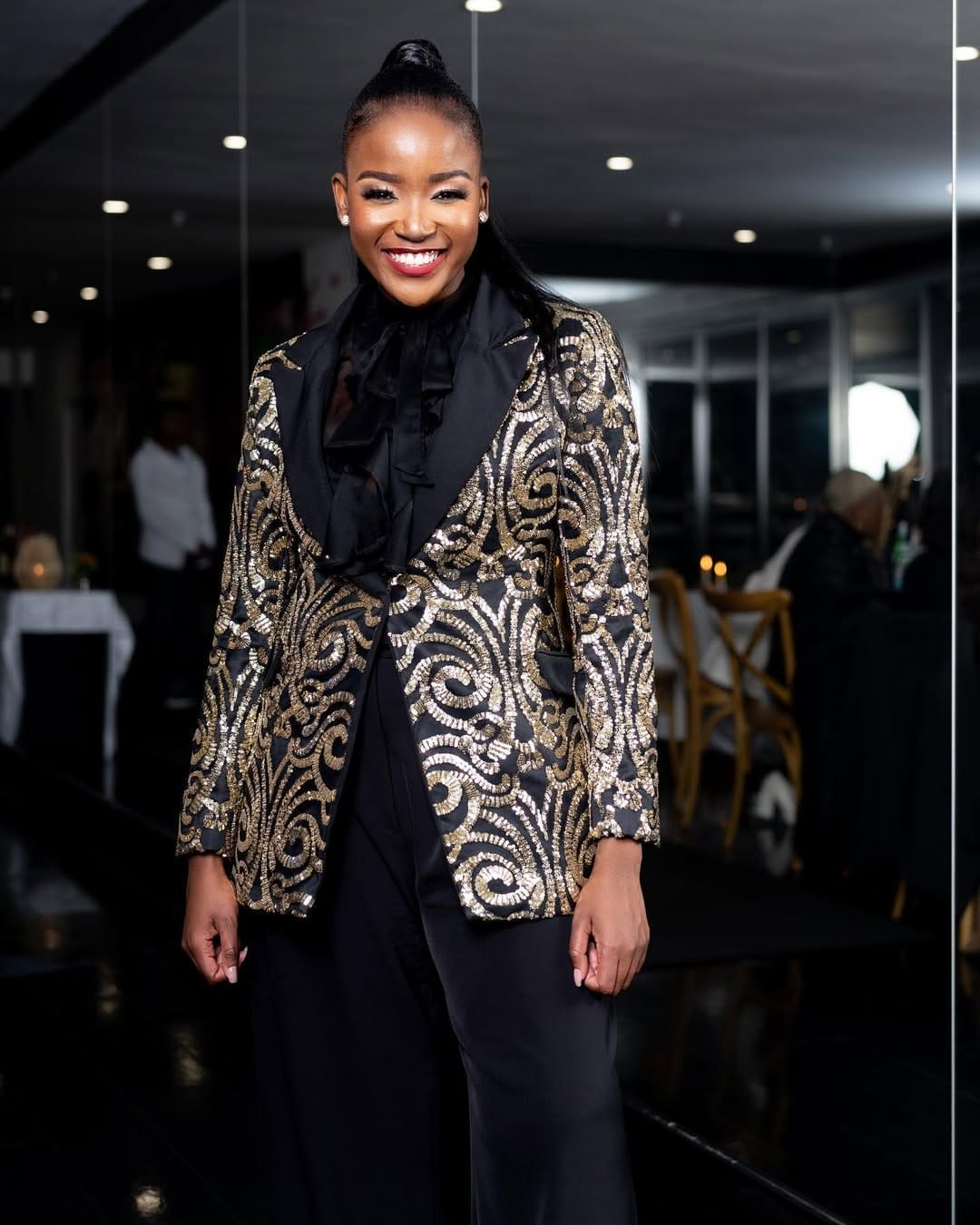
In fact, she was unable to take music as a formal subject in school due to not having access to a piano at home, a requirement of the program. That limitation, however, did not stop her trajectory; it redirected it.
Rather than being confined by circumstance, Ofentse built her own path.
In 2017, she started a youth choir in Katlehong, carefully selecting classically trained young vocalists. What began as a small initiative soon evolved into something much larger. During this process, she discovered a striking gap in global classical music: there was no all-black classical orchestra. That realization became a catalyst.
She began transforming the choir into an orchestra, layer by layer, voice by voice, musician by musician. With the support of established classical musicians, the ensemble expanded from 8 members to 19, and eventually to a full symphonic orchestra of 40 musicians.
This evolution gave birth to Anchored Sound, an all-black orchestra and choir collective that would go on to challenge long-standing norms in classical music spaces.
By 2019, Ofentse sought formal mentorship to refine her conducting skills, reaching out to Thamsanqa Zungu, head of music at Tshwane University of Technology, and Gerben Grooten, conductor of the University of Pretoria Philharmonic. Their guidance helped sharpen her technical foundation while preserving the authenticity of her artistic vision.
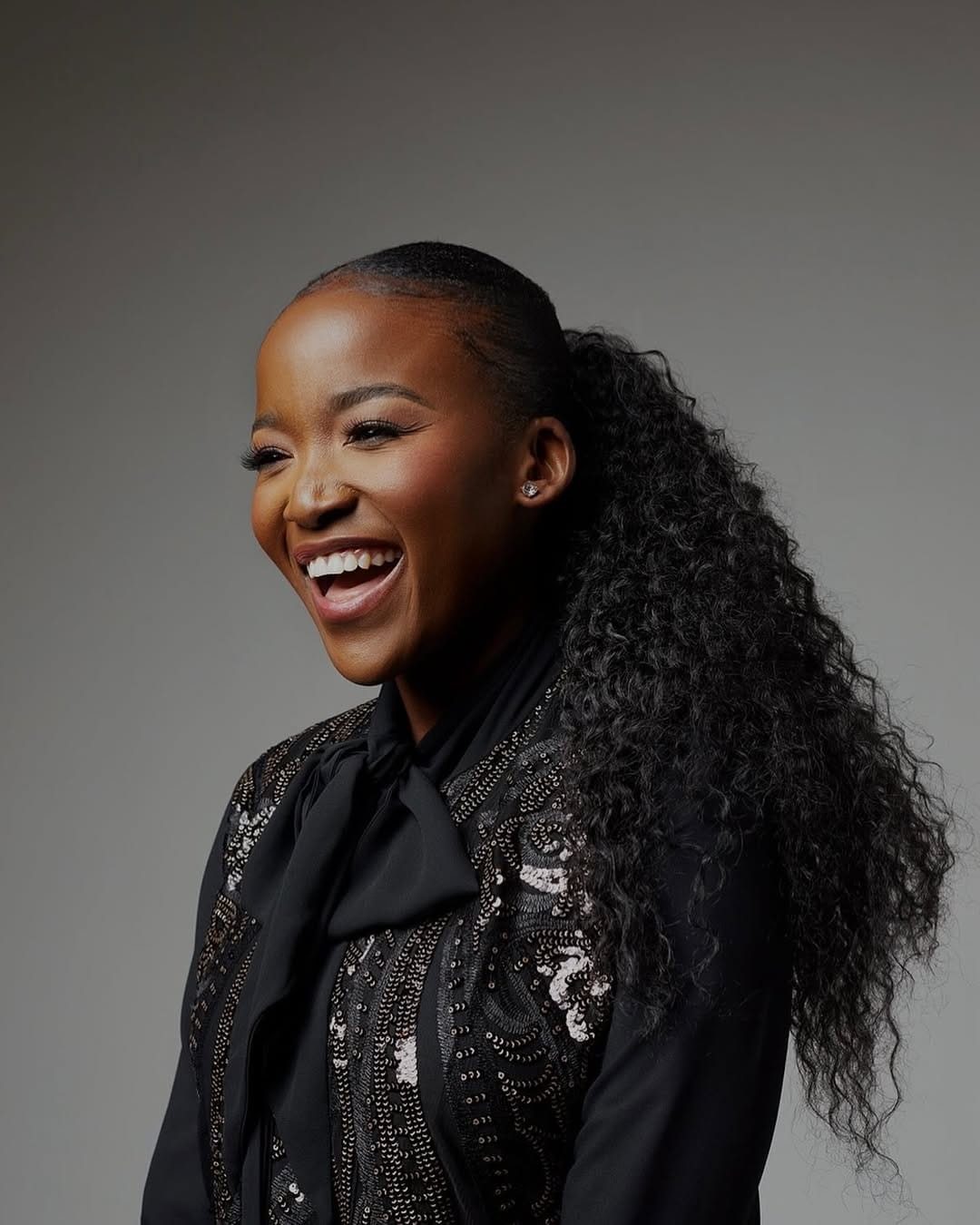
By 2021, Anchored Sound had grown into a 45-piece orchestra and a 30-member choir, performing a diverse repertoire ranging from Sibelius to Vivaldi to Dvořák. Even during the COVID-19 pandemic, Ofentse ensured the ensemble continued practicing, navigating significant challenges, especially for members from disadvantaged communities with limited access to digital resources.
Her work is not only about music, it is about access, representation, and possibility.
In addition to her musical achievements, Ofentse Pitse is also an architect, embodying a dual creative identity that merges structure with sound. This combination reflects her broader philosophy: building systems, whether physical or artistic, that hold meaning and create opportunity.
In June 2024, she further expanded her influence when she conducted the Red Bull Symphonic Orchestra featuring Kabza De Small in Johannesburg at Gold Reef City. The performance, held from June 8–9, marked a powerful fusion of classical orchestration and South African contemporary sound, reinforcing her ability to bridge worlds through music.
What makes Ofentse’s journey extraordinary is not just her accomplishments, but the scale of what she has built from limited access and unconventional beginnings. She is the first black South African woman to conduct and own an all-black orchestra, and the youngest to achieve this milestone.
Her work with Anchored Sound continues to challenge long-standing perceptions of who belongs in classical music spaces. More importantly, it redefines what is possible when talent is nurtured outside traditional gatekeeping systems.
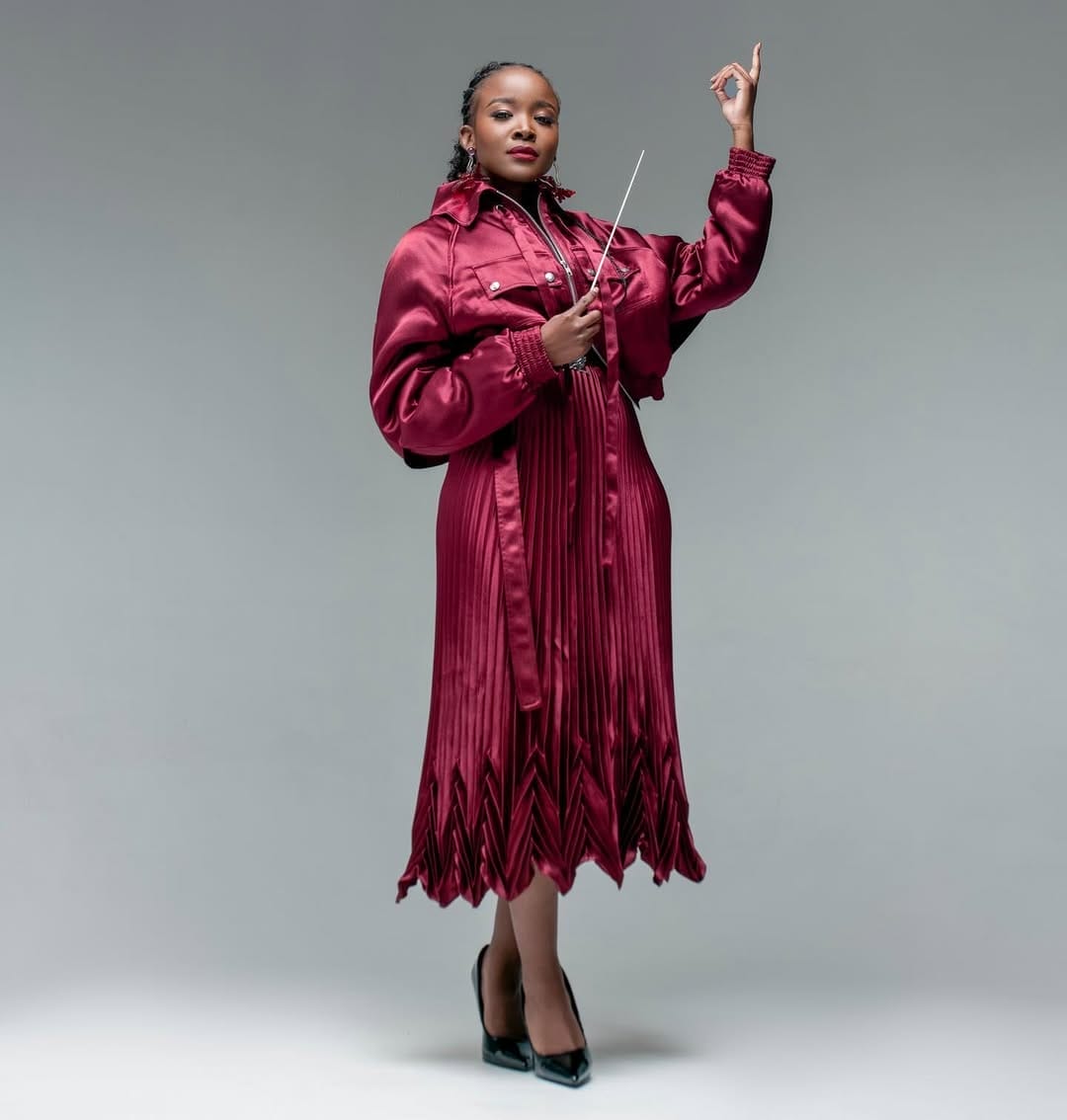
Ofentse Pitse is not simply conducting music. She is conducting change, reshaping orchestral tradition, expanding representation, and building a legacy where young African musicians can see themselves not as exceptions, but as the standard.