



Olufunke Olatokunbo Mudele-Akinjiyan is a senior Talent Leadership and Organisational Capability leader whose work has helped shape leadership development and workforce strategy across global organisations in the United Kingdom GCC and EMEA regions.
With more than 15 years of experience spanning consulting defence engineering and energy sectors she has built a career centred on one belief, organisations perform at their best when people are developed with intention, clarity and purpose.
But beyond the impressive career and multinational leadership roles is a woman whose journey was shaped by resilience, faith, persistence and an unwavering commitment to growth.
From navigating highly regulated and traditionally male-dominated industries to mentoring women rebuilding confidence after career breaks Olufunke has continued to lead with both rigour and humanity.
What stands out most about her story is the depth behind her perspective. She speaks openly about leadership, cultural intelligence, personal growth and the realities of building influence in complex global environments.
Her passion for mentoring and helping others unlock their potential reveals a side of leadership that is deeply personal, purposeful and impact-driven.
In this interview Olufunke Olatokunbo Mudele-Akinjiyan shares the experiences, lessons , challenges and defining moments that shaped her journey as a respected global leader in talent leadership and organisational capability.
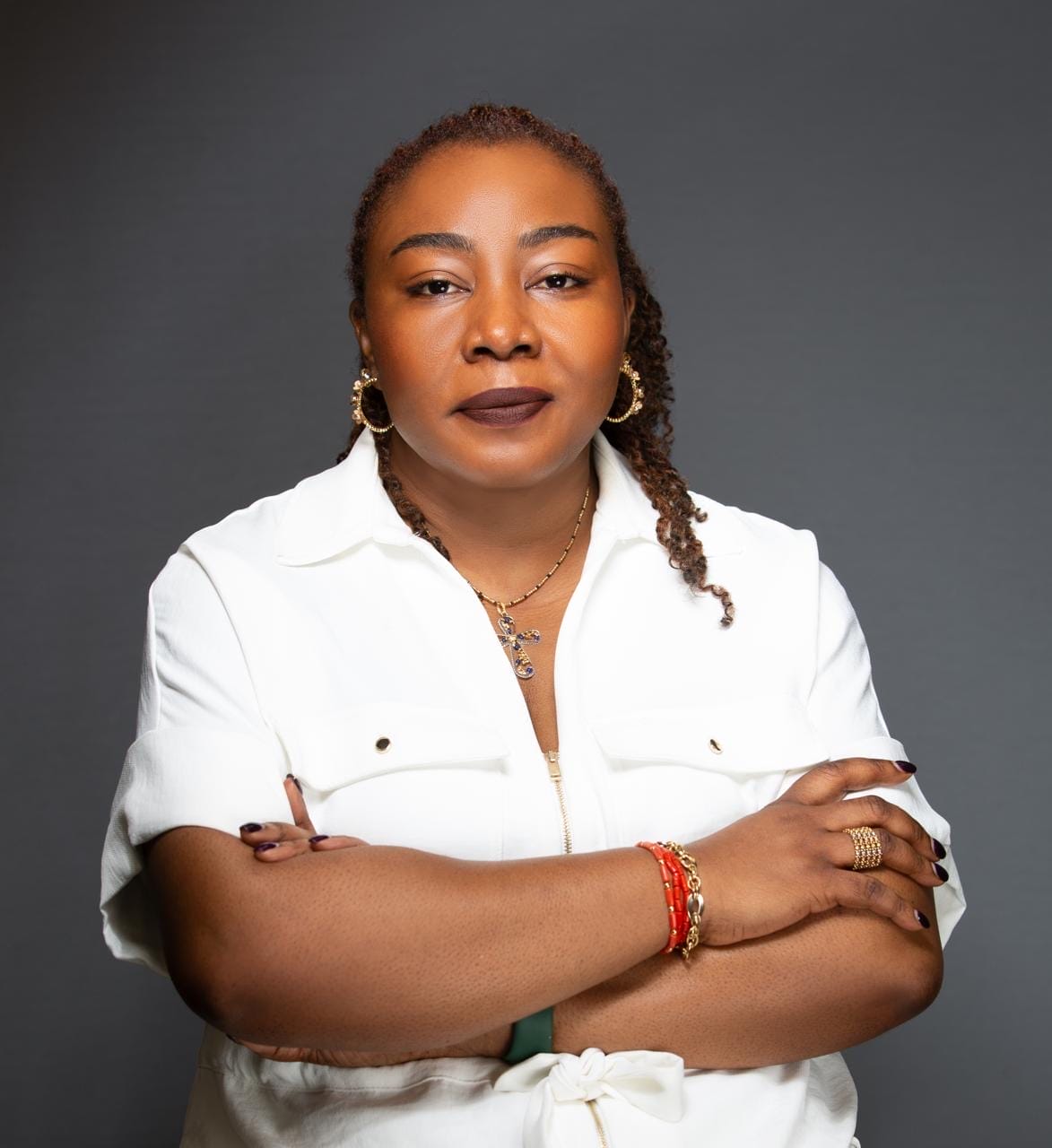
CA: Olufunke, your journey as a senior Talent, Leadership, and Organisational Capability leader is truly inspiring. Can you take us back to how it all began?
Olufunke: It started with curiosity more than clarity. I began my career in consulting, where I was exposed early to complex organisational challenges across multiple industries. What stood out wasn’t the strategy.
It was the human side of execution. Why could some organisations deliver consistently while others struggled despite having strong plans? That question drew me into learning and development, and eventually into broader talent and organisational capability work.
Over time, I became deeply interested in how leadership pipelines, capability systems, and organisational design either enable or constrain performance.
Working across global multinationals in defence, engineering, and energy spanning culturally diverse teams and complex operating environments the thread running through it all has been the same conviction: people systems are not support functions. They are central to delivery.
CA: That’s such a powerful foundation. Carving out a path in leadership development and organisational capability, especially across highly regulated and traditionally male-dominated industries, takes grit and vision. What was your journey like, and were there any key mentors or role models who guided you along the way?
Olufunke: Honestly, it wasn’t a straight line, and I think that’s what made it meaningful. Working within these industries as a woman of colour, and in a strategic capability role rather than a purely operational one, meant constantly proving that people’s strategy belongs at the table where business decisions are made.
There were rooms I had to earn my way into, and conversations I had to reframe before they took me seriously. That’s just the reality.
What kept me grounded was staying relentlessly focused and my drive for growth. When you are clear on the value you bring, and committed to delivering it at the highest level, you stop waiting for permission and start building proof.
I’ve been fortunate to have mentors along the way, leaders who challenged my thinking, opened doors, and modelled what it looks like to lead with both rigour and humanity. I carry those lessons into how I show up for others now, particularly for women earlier in their careers navigating the same tensions I once did.
The journey has been hard at times. But I wouldn’t trade it for anything.
CA: That’s really insightful. The world of talent and organisational strategy is constantly evolving. What challenges did you face building your career across global multinationals and complex sectors, and how did you push through them?
Olufunke: The honest answer is that the challenges were layered and they rarely came one at a time.
I started my career in the United Kingdom, which gave me a strong foundation. Moving into global multinationals and eventually into the GCC meant constantly adapting not just professionally, but personally.
The recurring challenge was being taken seriously as a strategic partner rather than a transactional HR function. In highly technical, safety-critical sectors, the default assumption is that people strategy sits beneath operational and commercial priorities. Changing that perception meant showing up with data, business acumen, and outcomes that spoke for themselves.
Navigating cultural complexity across different markets added another layer, earning trust across diverse stakeholder groups took time, humility, and genuine curiosity about context.
Pushing through it all came down to three things: continuous learning, building credibility through results, and investing in relationships that opened doors and sharpened my thinking. None of those works in isolation. Together, they compound.
CA: Wow, so inspiring to hear. Your career has clearly been built on hard work, strategic thinking, and persistence. What kept you motivated, especially during the tough early stages of your journey?
Olufunke: At the foundation, it is my faith in God and my family. I was raised by parents who fought hard to escape poverty and never backed down and that drive was instilled in me from a very early age. It has stayed with me every single day and continues to push me to be better, to go further, and to never settle.
In the early stages, when the path wasn’t clear and the rooms felt harder to get into, that foundation was everything. Setbacks didn’t define me. They redirected me.
Beyond that, it was a deep and genuine love for the work itself. I have always been fascinated by what makes organisations and people perform at their best and that curiosity never faded, even in the most difficult seasons.
When you are intrinsically motivated by the problem you are solving, persistence stops being a choice and becomes a natural response.
And honestly, the people I worked with and worked for kept me going. Seeing someone step into a leadership role they were developed for, watching a team grow in capability and confidence those moments reminded me, every time, why the work matters.
Faith, family, and purpose. That combination has carried me further than any strategy ever could.
CA: That’s such a powerful perspective. You’ve held leadership roles across the GCC and EMEA, partnering with multicultural teams and senior stakeholders across diverse regions. How has working in such global and multicultural environments shaped your leadership style and perspective on people development?
Olufunke: It has made me far more aware contextually.
Leadership is often presented as universal, but in practice it is deeply shaped by culture, environment, and organisational maturity. What works in one setting doesn’t always translate directly into another and the sooner you accept that, the more effective you become.
Working across the GCC and wider regions taught me to listen more carefully, to understand how decisions are truly made, and to adapt without losing clarity on what matters.
It also reinforced the importance of designing people systems that are robust and human-centred, not just theoretically sound.
Ultimately, it has made me more pragmatic, more curious, and more inclusive in how I approach both leadership and talent development. Those qualities, I believe, are not just nice to have, they are what separates leaders who deliver in complex environments from those who don’t.
CA: Makes a lot of sense. You’ve inspired and mentored many women professionals through your leadership and work with WIMBIZ. How does it feel knowing your guidance is helping shape the next generation of women leaders?
Olufunke: It’s something I’m deeply committed and passionate about.
Mentoring women particularly those who feel stuck, have taken a career break, and are looking to find their way back is not just about career progression.
It’s about confidence, clarity, and helping someone rediscover their own sense of direction and worth. Those conversations go far deeper than CV writing or job searching.
What I find most rewarding is witnessing that shift the moment someone moves from uncertainty to genuine conviction about their capability and what they have to offer. That transformation doesn’t stay with the individual. It ripples outward into their families, their teams, and the women they will go on to mentor themselves.
I see it as both a responsibility and a privilege. And if my journey can shorten someone else’s path or make the road feel a little less lonely, then that means everything to me.
CA: That’s beautiful. You’ve become a respected voice in leadership and workforce development. What inspired you to start sharing your knowledge and mentoring others?
Olufunke: My sister was my driving force.
She is a Chartered Engineer highly qualified, deeply capable but she reached a point where she felt completely stuck. Not because she lacked ability, but because she had lost sight of what truly lit her up.
I worked closely with her, helping her reconnect with her passions and reimagine what her next chapter could look like.
Today she is a Special Needs Educator and a Senior Leader at one of the most prestigious American schools in the UAE. Watching that transformation seeing someone move from feeling trapped to fully thriving in work that genuinely fulfils them changed something in me.
It made me realise that talent and potential mean very little without the right support, the right conversations, and someone who believes in you enough to help you see what you cannot yet see in yourself. That experience made mentoring feel less like something I chose to do and more like something I was called to do.
If I could do that for my sister, I wanted to do it for as many others as possible.
CA: Interesting. What’s next for you in your career? Are there any exciting projects, milestones, or aspirations on the horizon as you continue your leadership journey?
Olufunke: Right now, I’m completing my Doctorate in Business Administration, a journey that has deepened how I think about organisational strategy and leadership. It feels like a natural evolution of everything I’ve built so far.
I’m also increasingly focused on board and advisory work. Governance, people strategy, and organisational effectiveness are inseparable at that level, and it’s a space where I believe I have a great deal to contribute.
Longer term, I want to build something of my own, a practice centred on talent architecture, leadership development, and supporting women navigating career transitions. That aspiration is deeply personal to me and feels like the natural convergence of my professional expertise and my purpose.
The next chapter is about impact at a different level, broader, deeper, and on my own terms.
CA: Absolutely an exciting vision. Before we wrap up, what is one common misconception people have about leadership development, talent strategy, or building organisational capability that you would like to correct?
Olufunke: There are a few that I feel strongly about and they are all connected.
The first is that succession planning is a yearly exercise, something you dust off once a year, update a chart, and file away until the next cycle. That thinking is incredibly costly. Succession is not an event.
It is a continuous system that requires constant attention, development investment, and honest conversations about readiness. Organisations that treat it as an annual tick-box exercise wake up one day with a leadership gap they cannot fill and wonder how it happened.
The second is that people leave organisations. They don’t. People leave leaders. You can have the most compelling strategy, the strongest brand, and the most generous compensation package and still lose your best talent if the leadership experience is poor.
Retention is not an HR problem. It is a leadership problem. And until organisations truly internalise that, no talent strategy will be enough to fix it.
And then there is the belief that leadership development is simply training and workshops. You cannot train your way to a leadership culture.
Real leadership development happens in the flow of work through stretch assignments, honest feedback, and meaningful coaching. Workshops can introduce a concept. They cannot build muscle.
All three misconceptions share the same root treating people strategy as peripheral rather than central to how an organisation performs and sustains itself.
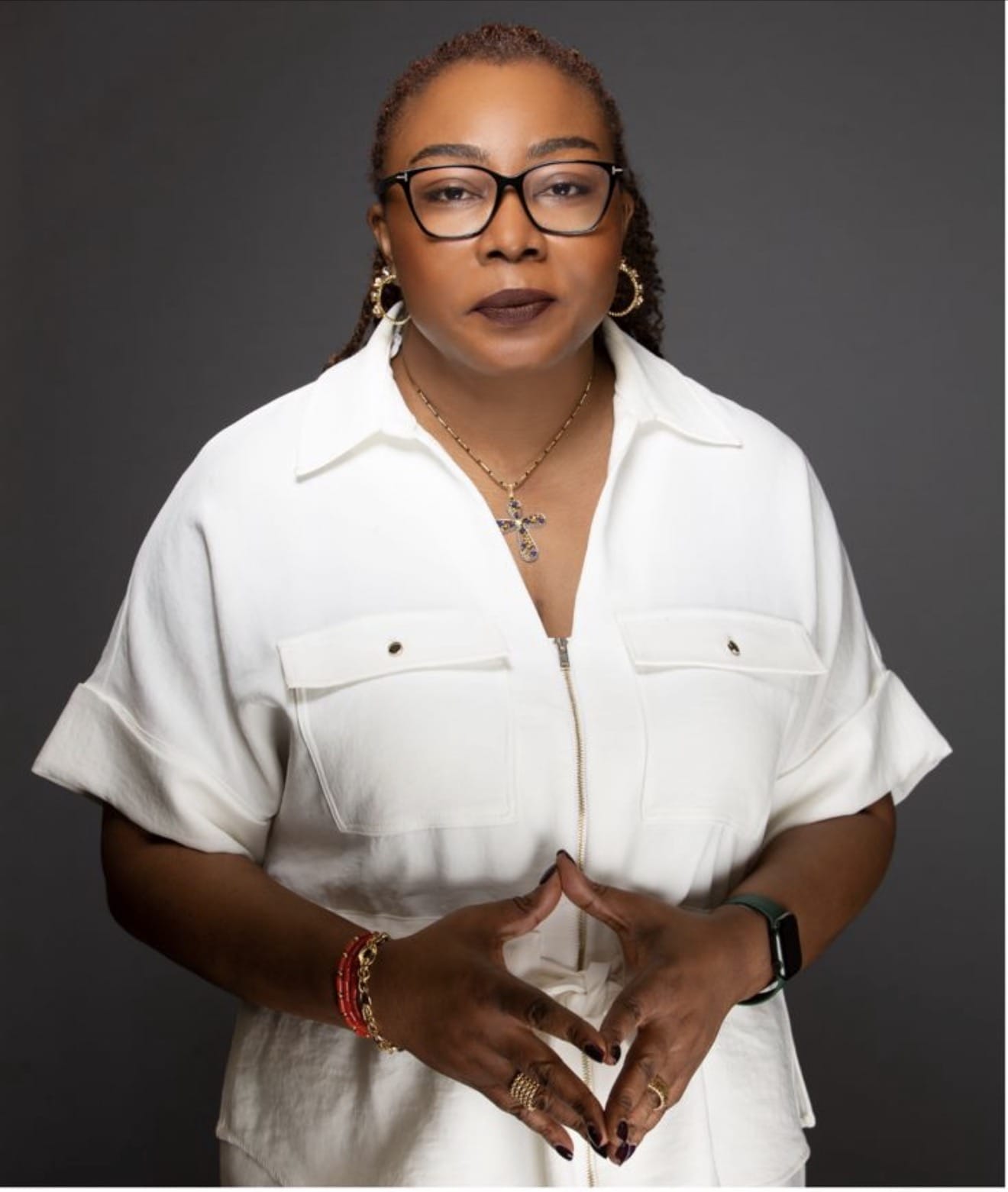
CA: Finally, With over 15 years of experience and a career spanning regional and global leadership roles, what advice would you give to professionals, especially women, who aspire to build influence and lead strategically within complex, global organizations
Olufunke: One of the things I say to my young daughter is stay true to herself. And that is the same advice I would give to any woman building her career in a complex, global environment.
It sounds simple. But in practice, it is one of the hardest things to do. There will be pressure to shrink yourself, to adapt your style, to make others comfortable with your presence in rooms they didn’t expect you to be in. Resist that. Your perspective, your lived experience, and your difference are not obstacles, they are assets.
Beyond that, invest in your craft. Know your field deeply, stay curious, and never stop learning. Influence in complex organisations is not given, it is built, through expertise, consistency, and the relationships you nurture over time.
Find your people mentors who will challenge you, sponsors who will advocate for you, and a community of women who will remind you of your worth on the days you forget it.
And finally, be patient with the journey but relentless about your growth. Careers are long. The chapters that feel the hardest are often the ones that build the most in you.
Stay true to yourself. Everything else follows from that.