



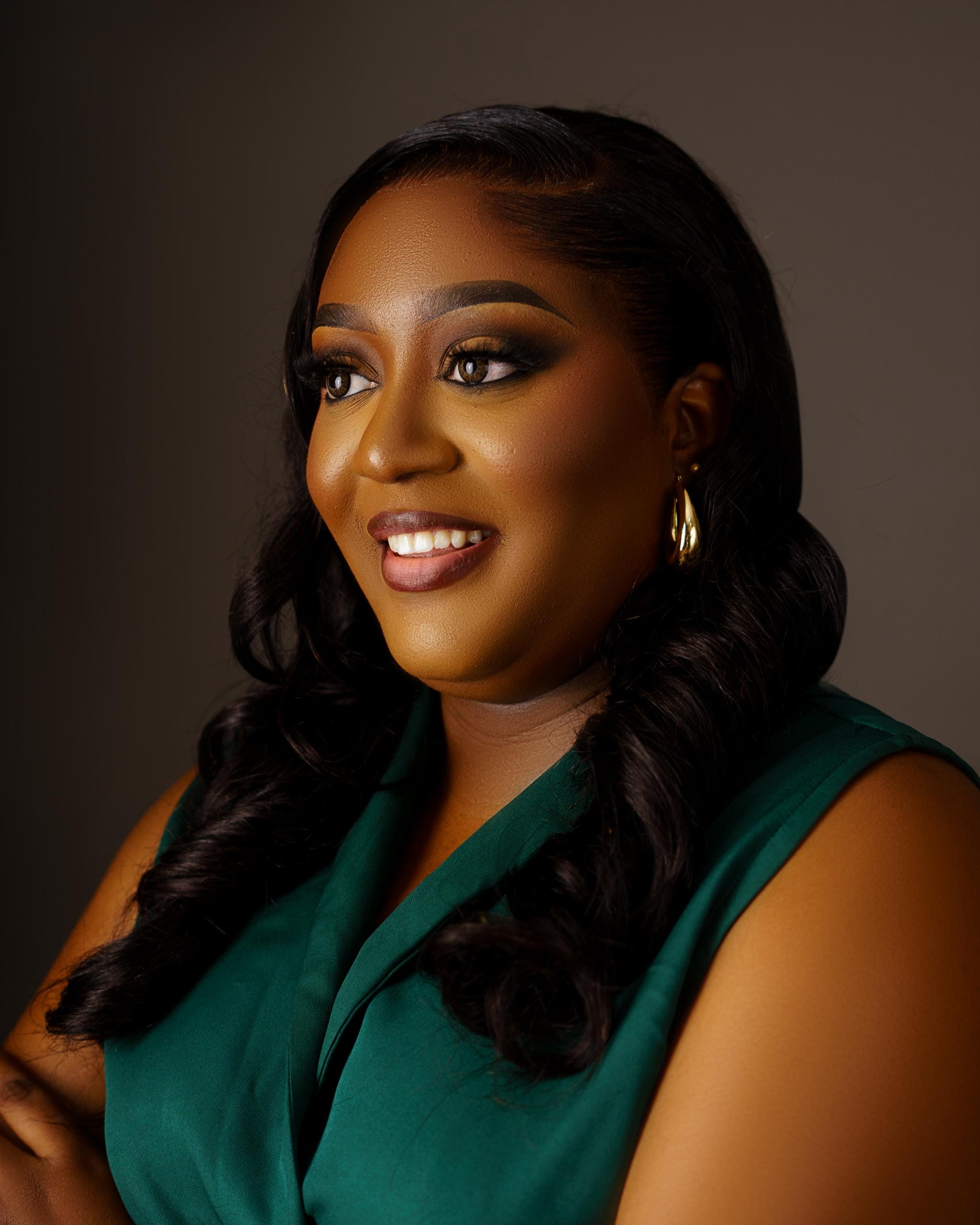
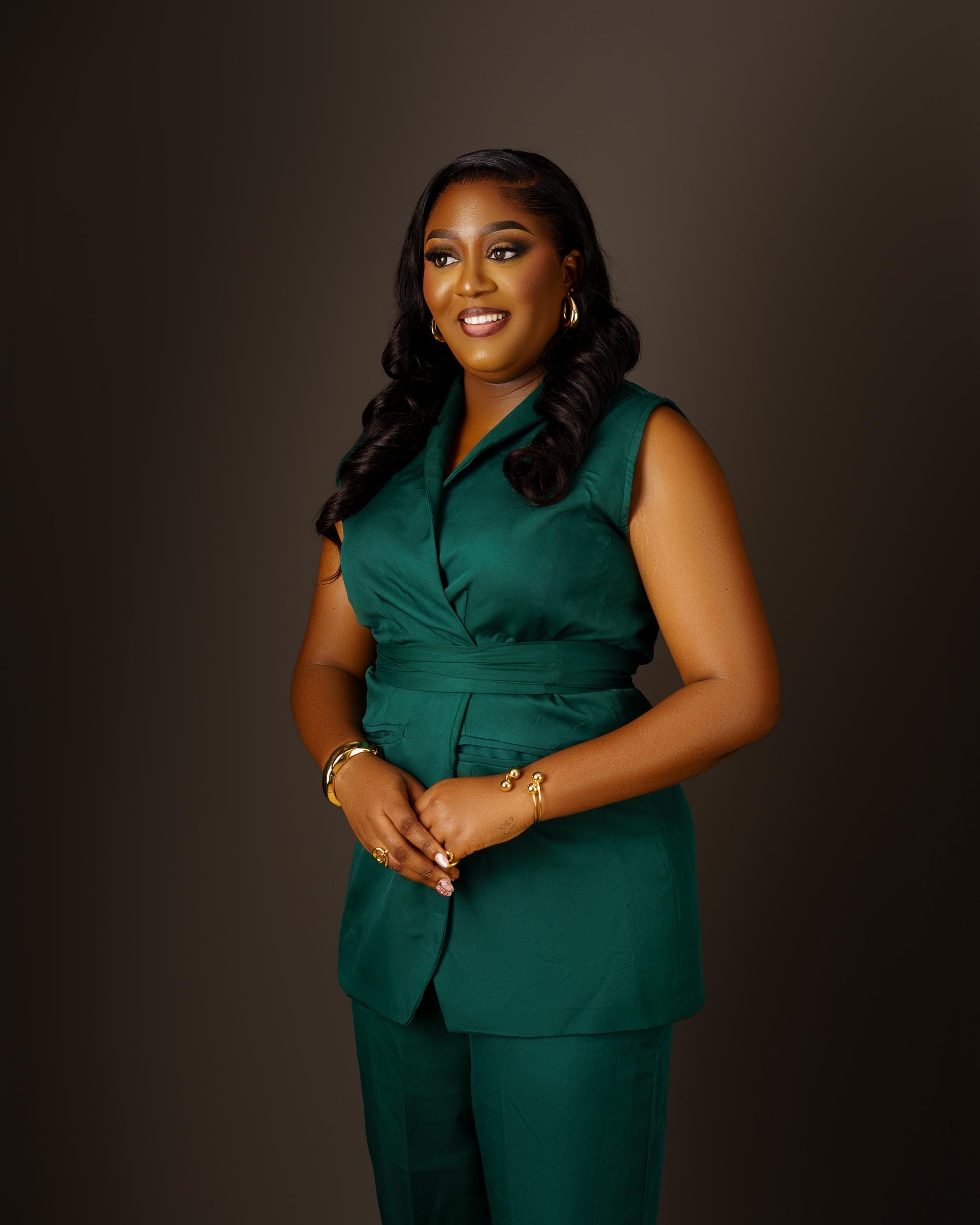
In a world where real estate is often seen as complex, transactional, and impersonal, Okikiola “Kiki” Agbeleye has emerged as a trailblazer, reshaping how investors perceive and engage with property.
As Chief Marketing Officer at Flinx Realty, Kiki operates at the rare intersection of strategy, storytelling, and market psychology, turning high-value, intricate products into experiences people can understand and trust.
From earning the Manager of the Year and Strategic Thinker awards in 2025 to leading a team built on alignment, clarity, and measurable impact, Kiki’s journey reflects a deep understanding that influence is earned, not shouted.

She proves that transparency, education, and credibility can drive revenue while cultivating long-term trust.
Her leadership style combines clarity with empathy, systems thinking with creativity, and a relentless focus on people alongside performance.
Kiki’s story is both instructive and inspiring. She’s living proof that integrity scales, and that thoughtful, trust-led strategies can transform industries.
In this interview, Kiki opens up about her journey, philosophy, and vision for the future of real estate marketing in Africa, sharing lessons that every aspiring marketer and business leader can learn from.
CA: You operate at the intersection of strategy, storytelling, and market psychology. When you look back at your journey into marketing leadership, what early experiences most shaped how you think about influence and trust in business?
Kiki: Early in my career, I saw very clearly that visibility without substance doesn’t last. I worked in environments where people were selling hard but explaining very little, and I watched trust erode quietly over time.
That taught me that influence isn’t about volume or persuasion; it’s about credibility built through consistency. I also learned that people don’t buy because you speak loudly, they buy because you help them understand.
That realization shaped how I approach leadership and marketing today.
CA: That’s super interesting. Speaking of clarity, real estate is often perceived as complex, opaque, and transactional. How did you think about simplifying such a high-value product without diluting its credibility?
Kiki: I never saw simplicity as the opposite of credibility. In fact, I think complexity often hides weak thinking.
My approach was to deeply understand the product, the risks, the numbers, and the investor mindset first, then strip away anything that didn’t serve clarity.
When you can explain a high-value asset simply, you’re signaling mastery, not dilution. The goal was never to make real estate sound easy; it was to make it understandable.
CA: I love that, simplicity as mastery. Your marketing philosophy prioritizes education over persuasion. In a market driven by urgency and competition, why did you choose a trust-led system rather than aggressive selling tactics?
Kiki: Aggressive selling works short term, but it creates long-term fragility. I was more interested in building a system that compounds trust over time.
Education empowers people to make confident decisions, and confident investors stay longer, refer others, and grow with the brand. I chose a trust-led system because I wanted Flinx to be resilient, not just loud.
CA: That’s powerful. At Flinx Realty, marketing seems less about listings and more about long-term conviction. How do you translate transparency and smart ownership into campaigns that still drive revenue?
Kiki: Revenue follows conviction when people understand what they’re buying and why it makes sense for them. We focus on showing how ownership works, what returns look like over time, and what risks exist, not just the upside.
Transparency becomes the differentiator. When investors feel informed, they commit more decisively and stay invested longer, which ultimately drives sustainable revenue.
CA: Interesting! You’ve also spoken publicly about how younger generations are reshaping property investment. What shifts in buyer psychology do you think many real estate brands are still underestimating?
Kiki: Many brands still underestimate how much younger investors value autonomy and intelligence. They don’t want to be sold to; they want to be guided.
They ask more questions, demand clearer data, and care deeply about optionality and flexibility. Brands that ignore this shift will continue to struggle with loyalty and repeat investment.
CA: That’s a huge insight. Receiving both Manager of the Year and Strategic Thinker awards in the same year speaks to execution and foresight. How do you balance delivering immediate results while designing frameworks for the future?
Kiki: I separate urgency from importance. Execution delivers today’s results, but structure protects tomorrow. I focus on building systems that make results repeatable — clear KPIs, ownership, and feedback loops, while still holding teams accountable for immediate outcomes. It’s not either/or; it’s sequencing.
CA: And being appointed CMO at a relatively young age must have come with high expectations. How did you establish authority and clarity of vision within teams and across the organization?
Kiki: Authority came from clarity, not age or title. I was very intentional about articulating where we were going, why it mattered, and how each role contributed to that vision.
Consistency in decision-making and accountability reinforced trust over time. When people see that your thinking is sound and your standards are steady, authority follows naturally.
CA: Instead of focusing on titles, you emphasize strengths and measurable outcomes. What does effective marketing structure look like in high-pressure, fast-growth environments?
Kiki: Effective structure is one where responsibility is clear and outcomes are measurable. Everyone should know what they own, how success is defined, and how their work impacts revenue or brand equity.
In fast-growth environments, clarity reduces friction and speed increases confidence.
CA: Many leaders struggle to scale talent alongside growth. How intentional have you been about culture, role clarity, and long-term development within your marketing team?
Kiki: Very intentional. Growth without role clarity creates burnout and resentment. I prioritize defining expectations early, creating feedback loops, and investing in skill development.
Culture isn’t built through slogans; it’s built through how people experience leadership daily.
CA: Absolutely! From your experience, what separates a marketing team that produces output from one that creates sustained brand equity?
Kiki: Output-focused teams chase volume. Brand-building teams think in systems, consistency, and perception over time.
They understand that every message compounds — either positively or negatively. The difference is intentionality.
CA: In an era where attention is fragmented and skepticism is high, what role does storytelling still play in building belief around real estate as an asset class?
Kiki: Storytelling provides context. Data informs, but stories help people see themselves in the outcome.
In real estate, storytelling bridges the gap between abstract numbers and lived experience. It doesn’t replace facts; it humanizes them.
CA: Looking ahead, how do you see the role of the Chief Marketing Officer evolving within Africa’s real estate sector over the next five years?
Kiki: The CMO will move from promotion to architecture, designing trust systems, data infrastructure, and long-term brand credibility.
Marketing leaders will be expected to influence product design, investor education, and revenue strategy, not just visibility.
CA: For young professionals aspiring to lead in marketing or real estate, what mindset shifts are most critical in today’s landscape?
Kiki: Stop chasing virality and start building competence. Depth beats noise. Learn how businesses actually make money, understand human behavior, and develop patience. Leadership is a long game.
CA: Finally, when you think about legacy, what kind of impact do you hope your work leaves, on the brands you build, the people you lead, and the industry itself?
Kiki: I hope my work proves that integrity scales. That you can build profitable brands without misleading people, lead teams without fear, and grow industries without shortcuts.
If people feel more informed, more confident, and more respected because of the systems I helped build, that’s a legacy I’m proud of.


