


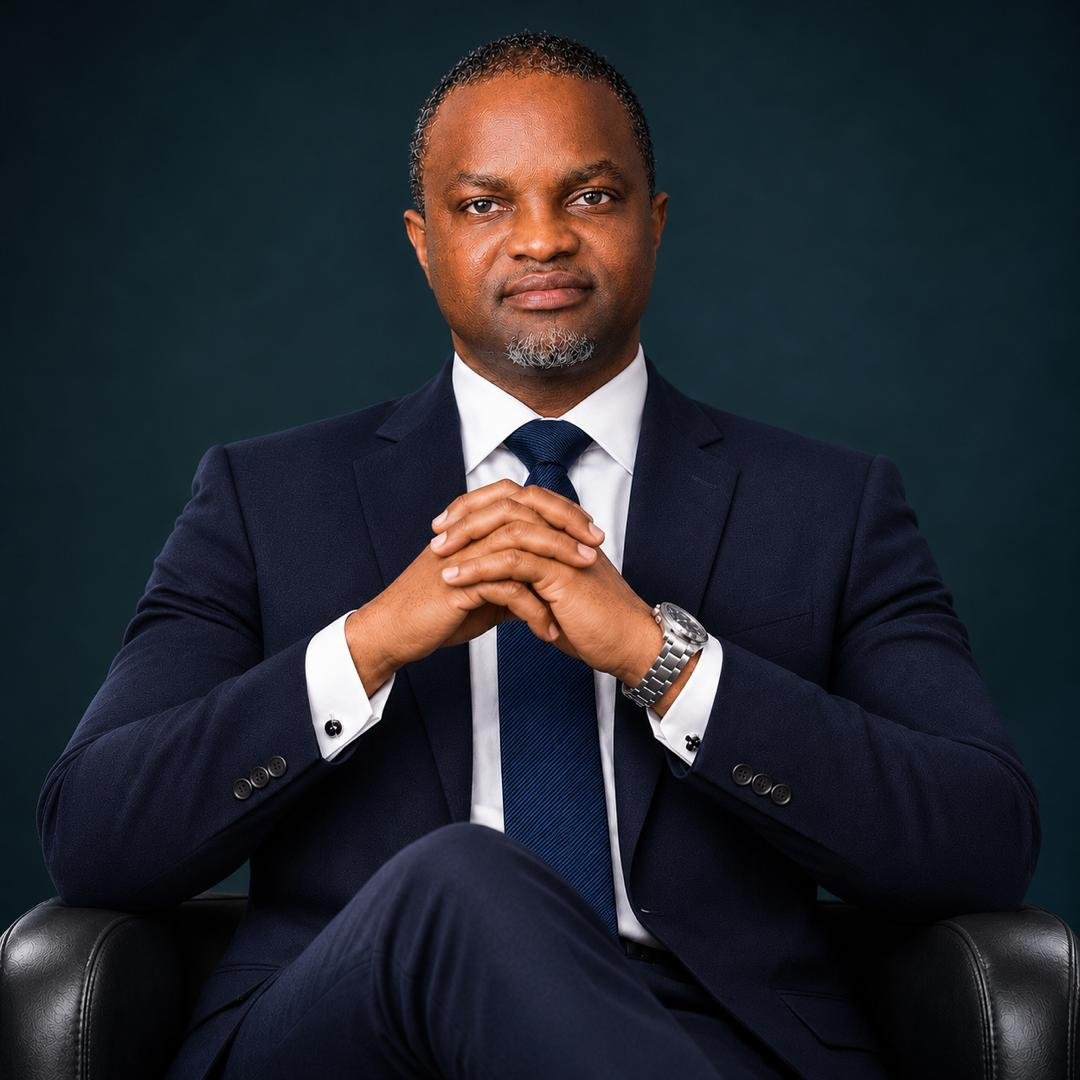
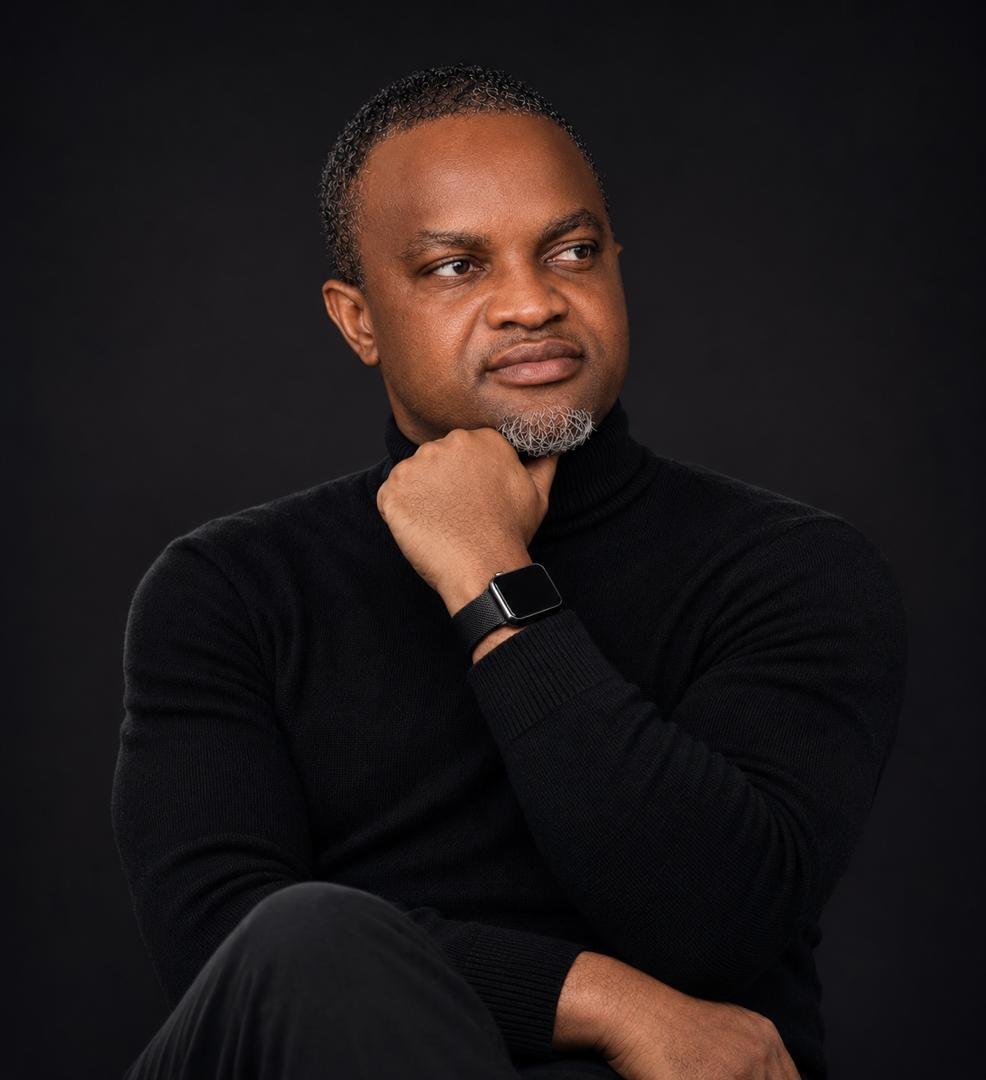
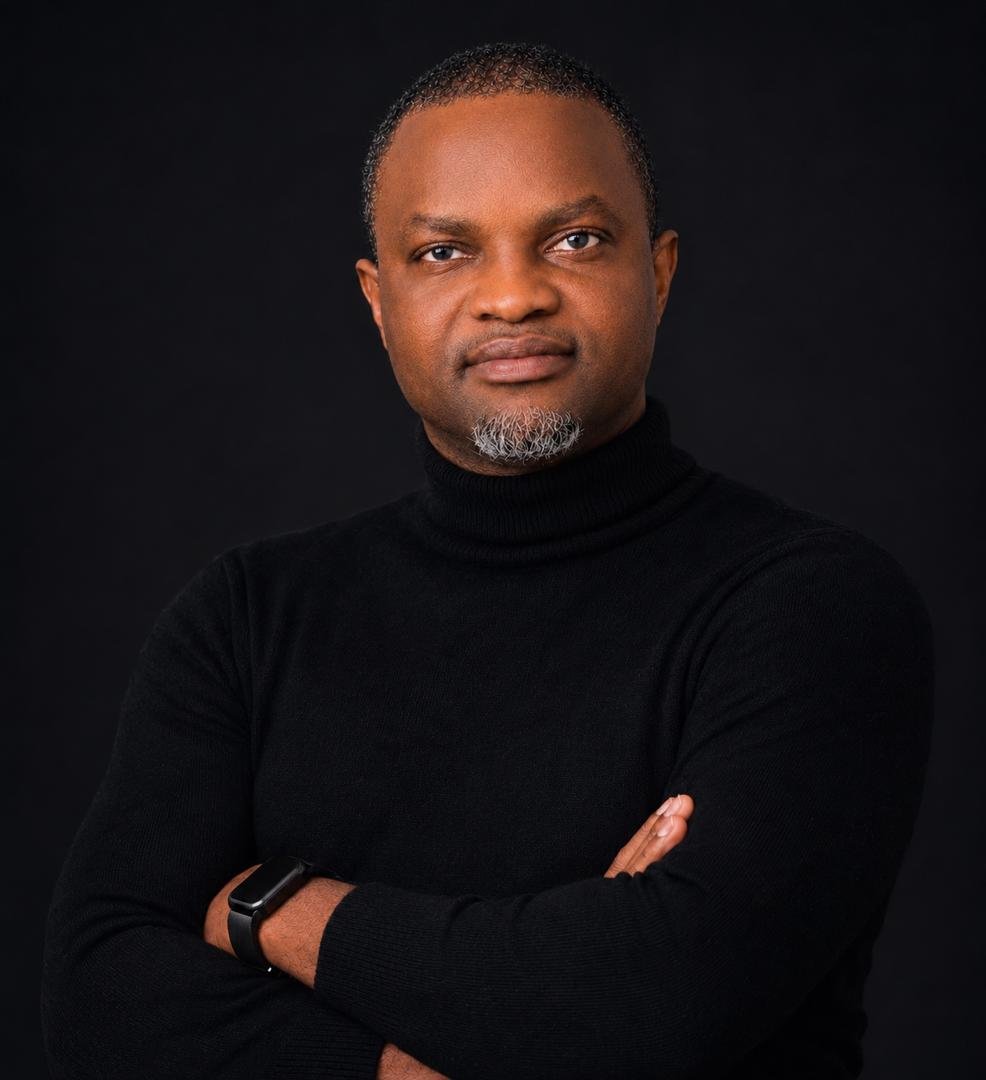
The future of Africa’s built environment depends on more than the construction of buildings in 2026. It requires strategic investment, effective project delivery, professional standards, technology and the ability to develop assets that deliver lasting economic value. This broader understanding of the industry has shaped the professional journey of Iromini Abiodun Raphael.
As the Founder and Chief Executive Officer of Hyrob Construction Company Limited, Raphael has built a career spanning construction, property development, real estate investment and facilities management. With approximately two decades of professional experience, he combines technical knowledge of the built environment with an understanding of property investment, development economics and asset value optimisation.
His journey began with an early interest in creativity and the process of transforming ideas into tangible structures. That interest eventually developed into formal training in Building Technology and professional experience across significant construction projects in Nigeria.
Between 2009 and 2013, Raphael served as Building Production Manager at Formwork Limited, where he was involved in leading and coordinating more than ten major projects with a combined value running into billions of naira. His experience included projects such as the Diamond Bank building on Ajose Adeogun Street, the Kilimanjaro Building on Adeyemo Alakija Street, Children’s International School, Lagos Preparatory and Secondary School, and MultiChoice SuperSport Studios.
In 2014, he established Hyrob Construction Company Limited, creating a business through which he could extend his professional experience beyond conventional construction into a broader range of real estate and built environment services.
Through Hyrob, Raphael is advancing an integrated approach that connects investment and strategy, design and development, construction and delivery, property and asset management, and value optimisation. The company has undertaken engagements involving organisations such as UBA, Cornerstone Insurance, ETG Agro, Sinotruk, HOWO, Meadow Hall School and Smile360 Dental Specialists.
His interests also extend into affordable housing and property development, including housing initiatives undertaken in collaboration with the Oyo State Government and a ten unit residential development initiative in Alaro City.
Beyond construction and real estate investment, Raphael is exploring the application of artificial intelligence within the built environment through Sceptra™, an emerging technology initiative being developed through Scepter Limited. He is also involved in SafeDeposit Nigeria, a property related venture co owned with a business partner, focused on improving transparency and accountability in rental transactions.
His multidisciplinary development includes qualifications in Building Technology, Business and Management, an MBA, an Executive MBA and further studies in real estate investment, technology entrepreneurship and artificial intelligence. He is also pursuing a Doctor of Business Administration at Walsh College in the United States.
In this Crest Africa Spotlight Interview, Iromini Abiodun Raphael discusses the experiences that shaped his career, the development of Hyrob, his approach to real estate investment, the role of artificial intelligence in construction and his ambition to contribute to the future of Africa’s built environment.
How Iromini Abiodun Raphael’s Early Interest in Creativity Led Him to Construction
Crest Africa: Your professional journey spans construction, real estate, investment and technology. What inspired your interest in the built environment, and how did your journey begin?
Iromini Abiodun Raphael: My interest in the built environment started long before I formally entered the profession. From a very young age, I was naturally drawn to creativity, drawing and the process of turning ideas into tangible things. At about seven years old, I was already making Christmas cards, New Year calendars and decorative pieces. I enjoyed creating things with my hands and seeing an idea take shape.
A particularly defining experience came when I was around twenty. My father acquired a small property that required renovation and engaged different artisans to carry out the work on a direct labour basis. He instructed me to stay with them and observe their activities.
That experience exposed me to the practical realities of construction: how different trades worked, how materials were selected and used, how individual activities came together, and how a property could be transformed through coordinated effort. It strengthened my interest in the industry and influenced my decision to pursue formal education in Building Technology.
My professional career subsequently developed through practical experience and increasing responsibility. My professional career started with my internship at Cunningwork Limited VGC where I was privileged to supervise multiple residential development construction activities in prime locations such as Victoria Garden City, Ikoyi, and Lekki face one as far back as 2003. I was presented with another opportunity during my youth service at Fax Consult Limited where I was part of the team that constructed a stack of residential buildings and commercial buildings including the multi-level digital center building within the premises of Center for Management Development (CMD) Magodo, Lagos. Between 2009 and 2013, I served as Building Production Manager at Formwork Limited, where I was involved in leading and coordinating more than ten significant projects with a combined value running into billions of naira.
My experience during that period included projects such as the Diamond Bank building on Ajose Adeogun Street, Victoria Island; Kilimanjaro Building on Adeyemo Alakija Street, Victoria Island; Children’s International School, Lekki; Lagos Preparatory and Secondary School, Ikoyi; and MultiChoice SuperSport Studios, Ilupeju, among other major developments.
In 2014, I established Hyrob Construction Company Limited, taking my experience further into entrepreneurship and a broader understanding of the built environment.
Over time, my perspective evolved beyond the physical delivery of buildings. I became increasingly interested in the economics behind property development, how investment decisions are structured, how assets appreciate and how real estate can be managed to produce sustainable financial and commercial outcomes.
That progression has shaped the professional I am today: someone who sees the built environment not merely as a construction industry, but as an interconnected ecosystem of investment, development, infrastructure, property and asset management.
Building Hyrob Through Integrated Real Estate Investment and Development
Crest Africa: Tell us about Hyrob Construction Company Limited. What distinguishes the company, and what are its principal areas of operation?
Iromini Abiodun Raphael: Hyrob was established in 2014 with a clear objective: to provide professional, integrated solutions across the built environment and real estate value chain.
We recognise that successful property development requires more than construction expertise. It requires investment intelligence, proper planning, design coordination, financial and commercial understanding, effective execution and long term asset management.
Our business is therefore structured around five principal service divisions.
Investment and Strategy covers real estate investment advisory, land acquisition support, feasibility studies, development appraisal and investment strategy.
Design and Development involves architectural and engineering coordination, planning, development strategy and property development.
Construction and Delivery covers building and civil construction, infrastructure delivery, procurement, project management, renovation, alteration, fit out and turnkey execution.
Property and Asset Management focuses on property management, facilities management, asset operations and the effective management of real estate investments.
Value Optimisation involves asset enhancement, portfolio optimisation, capital appreciation strategies and initiatives designed to improve the commercial and investment performance of properties.
An important dimension of our work is helping corporate organisations and private investors unlock greater value from their property investments. Through investment advisory, development strategy, project execution and asset optimisation, we have supported clients in achieving property investment markups exceeding 50% in certain engagements.
We have also undertaken end to end real estate development and investment engagements, supporting the process from initial appraisal and planning through design coordination, procurement, construction and delivery.
This is an important distinction in our approach. We do not see ourselves only as contractors engaged to execute a project. Depending on the engagement, we can participate as development advisers, strategic partners, project delivery professionals or asset management partners.
Our experience includes engagements involving organisations such as UBA, Cornerstone Insurance, ETG Agro, Sinotruk, HOWO, Meadow Hall School, Lekki, and Smile360 Dental Specialists, M&Q Fitness Center, alongside private sector clients.
We have also been involved in housing initiatives in collaboration with the Oyo State Government, reflecting our interest in the role of property development in addressing housing needs and supporting sustainable urban growth.
Our current development interests include a ten unit residential development initiative in Alaro City.
Hyrob is ISO 9001:2015 certified, and the company is also affiliated with the Real Estate Developers Association of Nigeria (REDAN).
Ultimately, our objective is to bring the different disciplines of the built environment together under a coordinated business approach.
Our philosophy is simple: Creating Value. Building Assets. Shaping the Future.
Maintaining Construction Quality and Professional Standards at Hyrob
Crest Africa: Construction is a highly competitive industry where quality, cost and delivery timelines are critical. How does Hyrob maintain its standards and distinguish itself?
Iromini Abiodun Raphael: The construction industry demands discipline. A project can have an excellent design and adequate funding, but without proper coordination, technical supervision, procurement control and accountability, the outcome may fall short of expectations.
At Hyrob, we approach project delivery with an emphasis on planning, professional coordination, quality assurance and effective control of resources.
We believe that quality should not be treated as an activity at the end of a project. It must be embedded in every stage, from the initial brief and design coordination to material selection, procurement, construction supervision, testing and handover.
Our ISO 9001:2015 certification reinforces our commitment to a structured quality management approach. However, certification is not the end in itself. The real measure is whether our systems consistently produce reliable outcomes for clients.
Our operating philosophy is guided by integrity and accountability, professionalism, excellence, client commitment, innovation and value creation.
We also recognise that every client has a different objective. Some are building for occupation, others for rental income, commercial operations or capital appreciation. Understanding that objective helps us make better technical and commercial decisions.
For us, a successful project is not simply one that is completed. It is one that meets its intended purpose, performs as expected and represents sound value for the resources invested.
Addressing Africa’s Affordable Housing Challenge Through Private Sector Development
Crest Africa: Affordable housing remains one of Africa’s most pressing development challenges. What role do you believe private sector developers should play in addressing it?
Iromini Abiodun Raphael: Affordable housing is one of the most important opportunities and responsibilities within Africa’s built environment.
However, affordability cannot be addressed simply by reducing construction specifications or producing buildings at the lowest possible cost. It requires a careful understanding of land economics, construction methods, financing structures, infrastructure, purchasing power and the needs of the intended occupants.
The private sector has an important role to play because it brings development expertise, investment capacity, innovation and operational efficiency. But the scale of the housing challenge means that developers, financial institutions, government and other stakeholders must work together.
I believe we need to move towards more commercially sustainable housing models. These should consider how land can be optimised, how development costs can be controlled, how infrastructure can be delivered efficiently and how financing can be structured to make housing accessible to more people.
We must also recognise that affordability differs across income groups and locations. A successful housing strategy must respond to the realities of its target market rather than rely on a one size fits all model.
At Hyrob, our interest in housing initiatives, including our engagement with the Oyo State Government, reflects our belief that property development should contribute to broader economic and social development.
The ultimate objective should be to create housing that is financially accessible, structurally sound, functional and sustainable over its lifecycle.
Exploring Artificial Intelligence in Construction and Real Estate Through Sceptra
Crest Africa: Artificial intelligence is increasingly influencing the construction and real estate industries. How are you positioning yourself and your businesses to take advantage of this development?
Iromini Abiodun Raphael: I see artificial intelligence as an important tool for improving the way the built environment is planned, developed, delivered and managed.
The industry generates significant amounts of information through surveys, designs, feasibility studies, cost plans, procurement, construction activities, property transactions and asset operations. Properly applied, AI can help professionals analyse this information more efficiently, identify patterns, improve decision making and manage risks.
My interest in this area is both professional and entrepreneurial. I have undertaken postgraduate studies in Artificial Intelligence and Machine Learning at The University of Texas at Austin (USA), as well as AI for Business Transformation at Imperial College Business School.
I am also developing Sceptra™ through Scepter Limited, an emerging AI powered technology initiative focused on applications across the built environment.
The broader ambition is to explore how intelligent technology can support activities such as site and investment analysis, feasibility assessment, design support, cost planning, procurement, programme monitoring, project risk management and property asset operations.
I believe the opportunity is significant, particularly in markets where inefficiencies, fragmented information and limited access to reliable project data can affect investment and development decisions.
However, I do not subscribe to the idea that technology should replace professional judgement. Construction and real estate involve technical, regulatory, financial and safety responsibilities that require qualified professionals.
My guiding principle is:
“AI prepares, and qualified professionals approve. Technology should strengthen accountability, not replace it.”
That is the direction in which I believe the industry should evolve.
Improving Transparency in Rental Transactions Through SafeDeposit Nigeria
Crest Africa: Beyond construction and technology, you are also associated with SafeDeposit Nigeria. What is the thinking behind this initiative?
Iromini Abiodun Raphael: SafeDeposit Nigeria emerged from an understanding that rental transactions and tenancy relationships can be improved through greater transparency, accountability and proper documentation.
Rental deposits are an important part of the property market, yet they can sometimes become a source of misunderstanding between landlords and tenants. Unclear terms, inadequate documentation and disagreements over the treatment or return of deposits can undermine trust.
The thinking behind SafeDeposit is to contribute to a more transparent and structured rental experience, with greater clarity around deposit arrangements and the responsibilities of the parties involved.
I am involved in the initiative alongside a business partner. We see an opportunity to address a practical challenge within the property ecosystem through a model built around trust, transparency and responsible processes.
For me, this is another example of how opportunities in the built environment extend beyond the physical development of properties. There is room for innovation in the systems, services and relationships that support the property market.
Evaluating Real Estate Investment Opportunities Beyond Market Hype
Crest Africa: Real estate is often promoted as a dependable investment, but not every property delivers the expected returns. How do you assess a property investment opportunity?
Iromini Abiodun Raphael: I believe in fundamentals over hype.
Real estate can be a rewarding investment, but the fact that an asset is property does not automatically make it a good investment. Every opportunity must be assessed on its individual merits.
My assessment begins with the location, title and legal status of the property, planning considerations, infrastructure, market demand and the economic characteristics of the surrounding area.
I then look at the development economics: acquisition cost, construction cost, professional fees, financing, statutory obligations, projected sales or rental income, operating expenses and the expected holding period.
The relationship between these factors is important. A property may have an attractive location but an acquisition price that leaves little room for appreciation. Another may appear inexpensive but carry title, infrastructure or development risks that make the investment unattractive.
I also consider the intended investment strategy. Is the objective capital appreciation, rental income, development profit, long term asset ownership or portfolio diversification? Each objective requires a different approach to appraisal and capital allocation.
Risk must be properly priced into the decision. Investors should understand the assumptions behind projected returns rather than rely on optimistic market narratives.
Ultimately, real estate investment should be approached with the same discipline applied to other serious investment decisions. The objective is not simply to acquire property, but to acquire or develop an asset with a defensible commercial proposition and a realistic pathway to value appreciation.
How Multidisciplinary Education Shapes Leadership and Business Strategy
Crest Africa: Your academic and professional development spans several disciplines. How has this influenced your approach to leadership and business?
Iromini Abiodun Raphael: I have always believed that professional growth should evolve alongside experience and responsibility.
My initial education in Building Technology provided the technical foundation for understanding construction and the built environment. As my career progressed, I recognised that technical competence alone was not sufficient to lead an organisation operating across construction, property development and investment.
I therefore expanded my education into business, management, real estate investment and technology.
My academic qualifications include a BSc in Business and Management (Honours) from the University of Derby, United Kingdom; and an Executive MBA from the Metropolitan School of Business and Management, United Kingdom.
I have also undertaken executive studies in: Real Estate Development and Investment at the University of Cape Town, Technology Entrepreneurship and Scaling Up Your Venture at Stanford University, and AI for Business Transformation at Imperial College Business School London.
In addition, I hold a Postgraduate Diploma in Artificial Intelligence and Machine Learning from The University of Texas at Austin (USA), I am currently pursuing a Doctor of Business Administration (DBA) at Walsh College, USA, with a focus on General Management.
These experiences have broadened my understanding of how technical operations, business strategy, finance, leadership and emerging technology interact.
They have also reinforced an important lesson: leadership requires the ability to understand different disciplines, bring the right people together and make decisions that balance immediate objectives with long term organisational performance.
I do not see education as a collection of certificates. I see it as a continuous process of developing the judgement and capacity required to solve increasingly complex problems.
Professional Affiliations and Standards Supporting Hyrob’s Operations
Crest Africa: What professional affiliations, registrations and institutional standards support your work in the built environment?
Iromini Abiodun Raphael: Professional credibility is important in an industry where technical competence, public safety, accountability and ethical conduct are essential.
My professional affiliations and registrations reflect my commitment to continuous development and the standards of the built environment profession.
They include the Chartered Institute of Building (CIOB), United Kingdom; the Chartered Management Institute (CMI), United Kingdom; the Nigerian Institute of Building (NIOB); the Council of Registered Builders of Nigeria (CORBON); the Nigerian Academy of Facility Managers (NAFM), and the Facility Management Professional (FMP); ForbesBLK; Fellow, Institute of Information Management (IIM) and many others.
I also recognise the importance of institutional standards at the corporate level. Hyrob’s ISO 9001:2015 certification provides a framework for quality management, while its affiliation with REDAN connects the company to the wider real estate development industry.
For me, professional affiliation is not simply about recognition or titles. It represents a responsibility to uphold standards, remain informed, contribute to the profession and continually improve the quality of work delivered.
Iromini Abiodun Raphael’s Vision for Hyrob and Africa’s Built Environment
Crest Africa: Looking ahead, what legacy do you hope to build through Hyrob, your other ventures and your contribution to the built environment?
Iromini Abiodun Raphael: I want to build institutions and businesses that create measurable value beyond the immediate projects they undertake.
Through Hyrob, the ambition is to establish a respected built environment company capable of participating meaningfully across the real estate investment, development, construction, infrastructure and asset management value chain.
Through Scepter Limited and its Sceptra™ initiative, I want to contribute to the responsible application of technology in improving the way the built environment operates.
Through SafeDeposit Nigeria, I and my partner want to support greater transparency and trust in property related transactions.
But beyond the individual businesses, my broader ambition is to contribute to the development of Africa’s built environment by encouraging better investment decisions, stronger professional standards, more efficient development processes and sustainable asset creation.
I believe Africa has enormous opportunities in housing, infrastructure, urban development and real estate investment. Unlocking those opportunities will require more than construction capacity. It will require sound investment structures, capable institutions, technology, professional competence and a long term development mindset.
I want my work to demonstrate that the built environment can be approached as a serious investment and economic development platform, not merely as the business of putting up structures.
Ultimately, the legacy I hope to leave is one of institutions built, assets created, opportunities unlocked and value sustained.
For me, it has never been just about building structures. It is about creating value, building assets and shaping the future.