



Some journeys begin with textbooks. Others begin with lived reality. For Damilola Hamid Balogun, his path into clean energy and sustainable development was shaped by everyday experiences that showed him how deeply energy access, or the lack of it, affects people’s lives.
Growing up in Nigeria, Damilola saw how unreliable power touched everything: education, livelihoods, small businesses, and even opportunity. Instead of seeing these challenges as normal, he became curious about them.
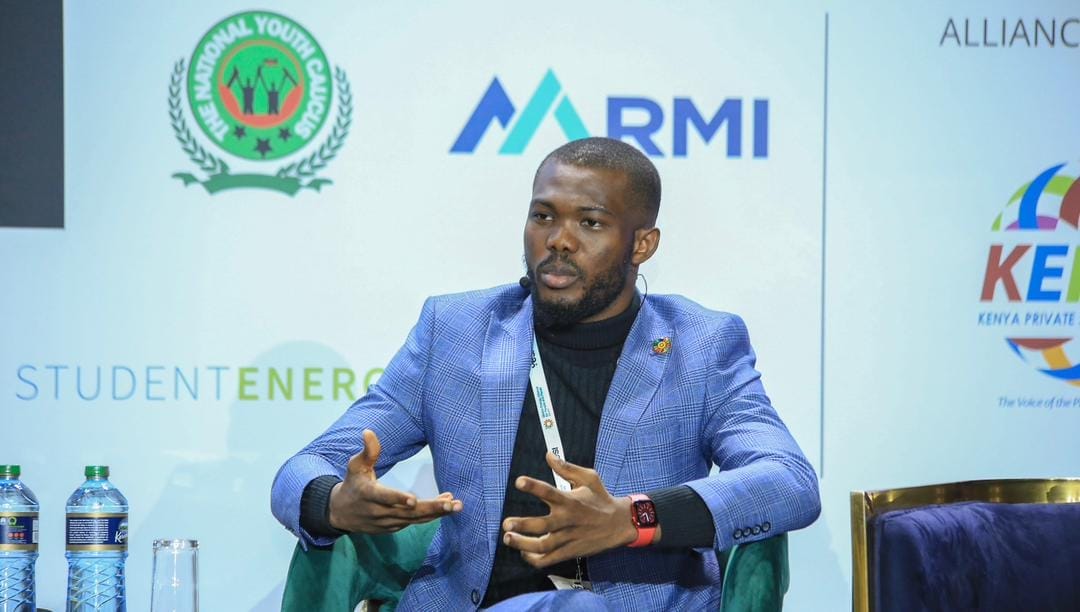
He wanted to understand them, and more importantly, help fix them. That curiosity slowly turned into a purpose-driven journey across law, policy, finance, and clean energy, guided by integrity, clear thinking, and a strong focus on real impact.
Today, Damilola works at the point where policy reform, private capital, and implementation meet. His work supports clean energy access, SME growth, youth inclusion, and climate action across more than 20 African countries.
From managing multi-donor programmes and public–private partnerships to co-founding youth-led sustainability platforms, he brings patience, clarity, and long-term thinking to everything he does.
This is a story about earning trust, doing the work quietly, and building solutions that actually last. It’s about moving Africa’s energy transition from access to agency, and making sure communities and young people are part of shaping the systems they depend on.
In this interview, Damilola reflects on his journey, the lessons learned along the way, and what it truly takes to drive sustainable change at scale across the continent.
CA: Damilola, your journey in clean energy and sustainable development is inspiring. Can you take us back to how it all began? What first drew you into climate action and renewable energy work?
Damilola: Thank you for that question. My entry into climate action and clean energy was shaped more by lived realities than theory. Growing up in Nigeria, I saw firsthand how unreliable energy systems affected livelihoods, education, small businesses, and broader socio-economic inequality.
Over time, I became interested in how policy, law, and finance could be used not just to analyse these challenges, but to solve them.
I have always been driven by the need for practical, real-time solutions. Renewable energy offered a clear pathway where environmental responsibility and economic opportunity could align.
CA: That’s a powerful beginning, turning real-life experience into real work. Carving a path across law, policy, finance, and clean energy takes focus and vision. What has your journey been like, and were there any mentors or role models who shaped your approach along the way?
Damilola: Honestly, the journey has been non-linear, but very intentional. I began in law, which trained me to think critically about systems, governance, and accountability.
As I transitioned into energy and development work, that foundation helped me navigate complex regulatory and institutional environments.
I have been fortunate to learn from practitioners rather than titles, people working at the intersection of policy, finance, and implementation who value rigour, integrity, and long-term thinking over quick wins.
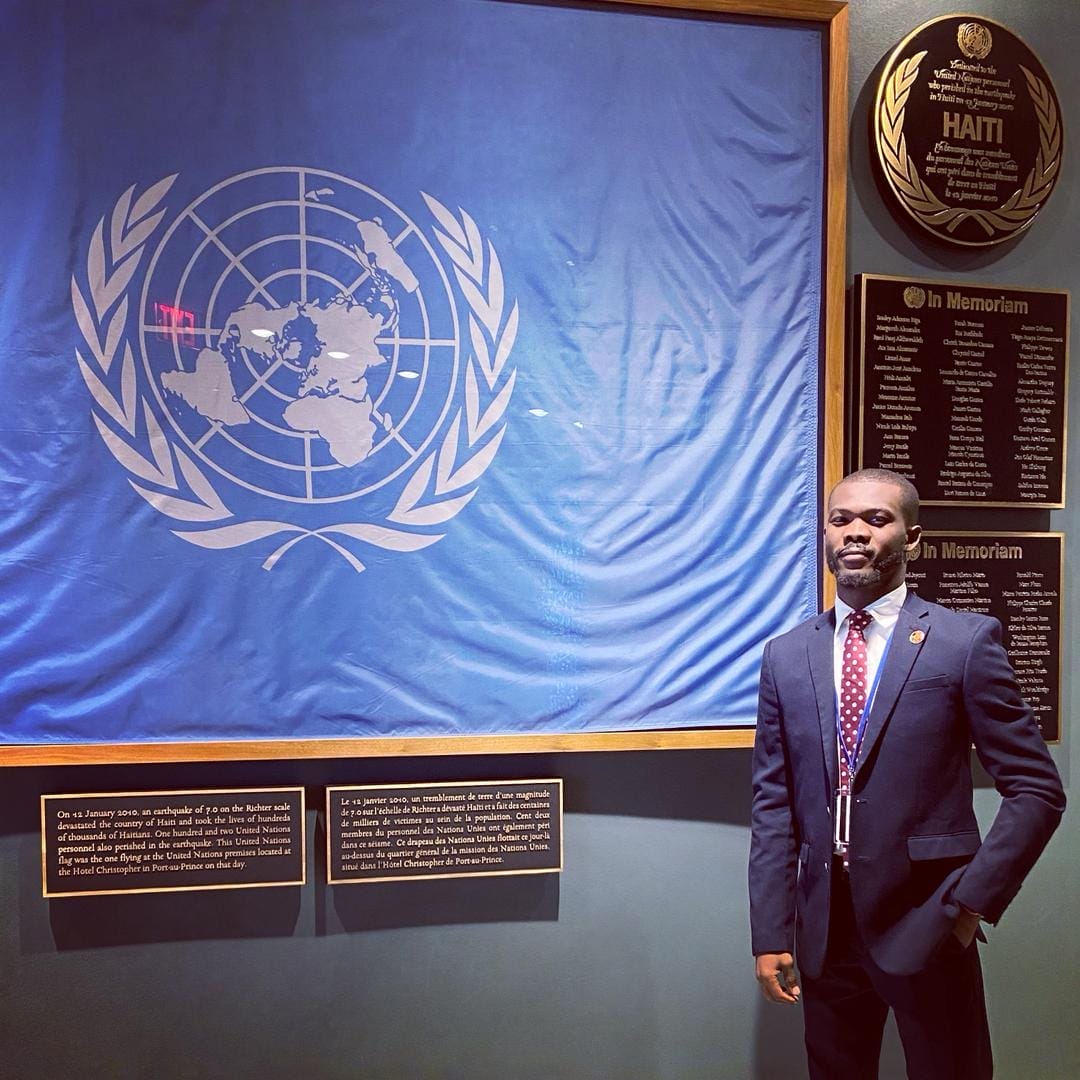
CA: That’s really interesting, learning from experience rather than titles. Working across Africa on renewable energy, SME, and climate programmes comes with real challenges. What obstacles did you face early in your career, and how did you push through them?
Damilola: One of the biggest challenges was credibility. As a young professional, it often took time to be taken seriously in high-level policy and investment spaces.
I focused on continuously building knowledge, developing strong evidence, understanding context deeply, and delivering consistently, and I still do. Over time, results became the strongest argument.
Another challenge was navigating fragmented systems, which reinforced the importance of collaboration, patience, and persistence.
CA: Wow, earning credibility and staying patient early on sounds like no small feat. Your work spans multi-donor programmes, public–private partnerships, and investment readiness initiatives. What kept you motivated during the demanding early stages of your career?
Damilola: What kept me grounded was the connection between policy decisions and real people. Seeing how well-designed interventions could improve incomes, reduce energy costs, or strengthen community resilience made the long hours worthwhile.
I am motivated by impact, not just outputs, and by the belief that Africa’s energy transition must be designed with Africans at the centre.
CA: Interesting! You’ve directed portfolios exceeding $500,000 and contributed to initiatives like Light Up and Power Africa. What lessons did those experiences teach you about mobilising private capital and delivering impact at scale in Africa?
Damilola: The key lesson is that capital follows confidence. Investors respond to clarity, credible data, and strong institutional frameworks.
Technical solutions alone are not enough, you need trust, policy alignment, and viable business models. Delivering impact at scale requires patience, strong partnerships, and an honest understanding of risk, rather than overstating potential.
CA: That’s a very grounded way to think about scale. You have a background as a lawyer and have worked across more than 20 African countries, strengthening institutional readiness, governance reform, and climate action. How have these experiences shaped your leadership style and strategic thinking?
Damilola: These experiences have taught me to lead with context. Africa is not a single market, and solutions must be tailored rather than imported.
My leadership style is collaborative and systems-oriented. I prioritise listening, stakeholder alignment, and long-term institutional strength over short-term visibility.
CA: That clarity in leadership is clear. You’ve led impactful initiatives and earned recognition like Forbes Africa 30 Under 30. How does it feel knowing your work is helping drive clean energy access, youth inclusion, and sustainable growth across Africa?
Damilola: Recognition is encouraging, but it is not the goal. What matters more is seeing ideas move from concept to implementation.
Clean energy access, youth inclusion, and sustainable growth are collective efforts. I see my role as contributing to a wider ecosystem of people doing meaningful work across the continent.
CA: That’s really inspiring, it’s clear your focus is on making a real impact, not just recognition. You also co-founded the Youth Sustainable Development Network (YSDN). What inspired you to create it, and what impact were you hoping to make for young people?
Damilola: YSDN was created to bridge the gap between ambition and opportunity. Many young Africans are passionate about sustainability but lack access to platforms, capital, and policy spaces.
We wanted to build a network that does not just advocate, but implements, supporting youth-led projects, building skills, and ensuring young people are meaningfully included in decision-making processes.
CA: Creating space for young people seems to be a recurring theme in your work, love it. You’ve built a strong voice in policy and development spaces, including COP and Africa Energy Forums. What motivated you to share your knowledge and contribute to these platforms?
Damilola: Global platforms shape narratives and priorities. It is important that African perspectives, especially youth-led and community-driven experiences, are represented in those conversations. My motivation has always been to ensure that global policies remain grounded in local realities and practical implementation.
CA: Looking ahead now, what’s next for you? Are there any upcoming projects, priorities, or milestones you’re particularly excited about?
Damilola: I am currently focused on scaling practical clean energy solutions for SMEs and agriculture. One example is the Powering Lagos SMEs project, which supports businesses to transition from fossil-fuel generators to clean energy.
More broadly, I am working on strengthening investment readiness and deepening policy engagement that enables sustainable growth.
I am particularly interested in advancing Africa’s energy transition from access to agency, where communities and entrepreneurs actively shape the systems they rely on.
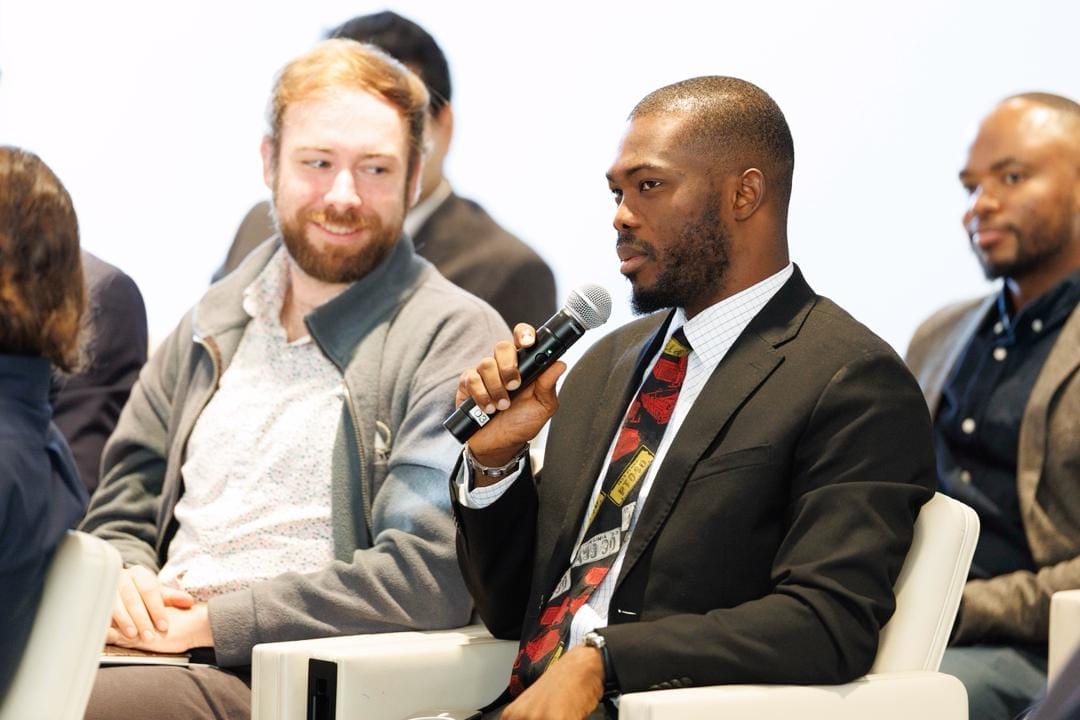
CA: That’s really impressive! Finally, bringing it back to those just starting out, if you could give one piece of advice to young Africans looking to build careers in climate action and sustainable development, what would it be?
Damilola: Build depth before visibility. Understand the problem you want to solve, develop strong skills, and stay grounded in evidence and impact.
Climate action is not a trend; it is long-term work that requires patience, integrity, and collaboration. As I often say, meaningful impact is not about how loud your voice is, but how consistent your actions are.


