



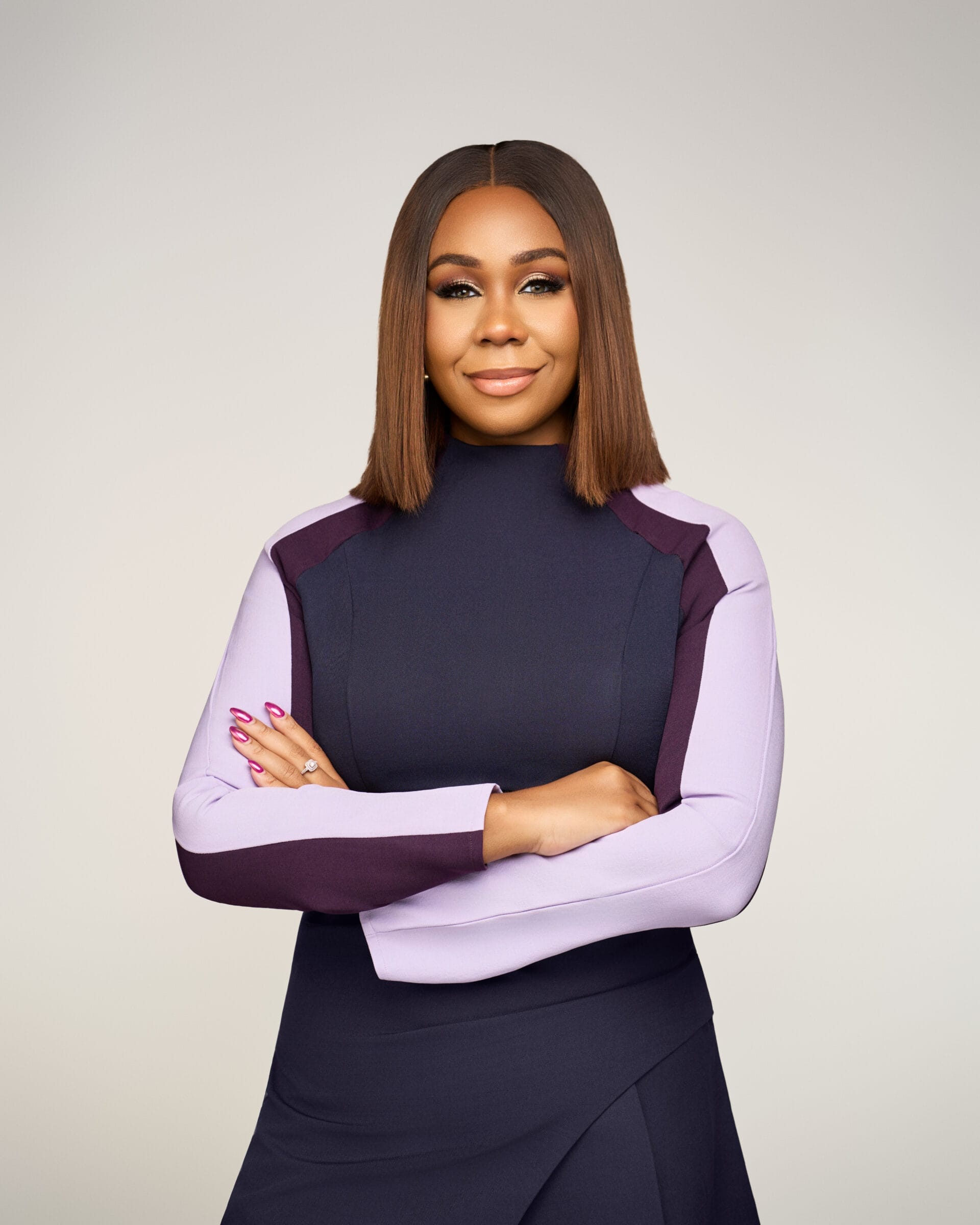
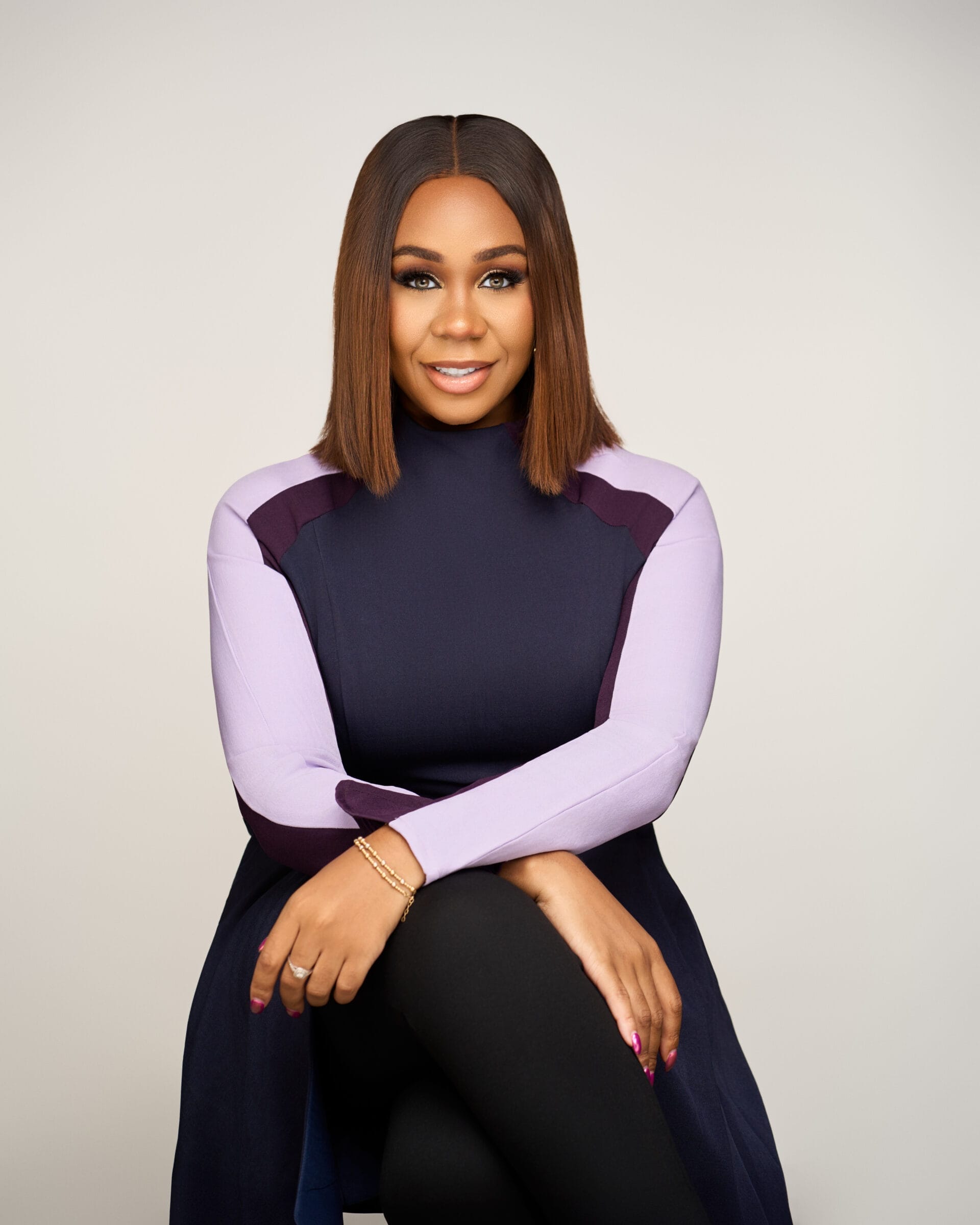
Some leaders follow a path. Others create one, brick by brick, decision by decision, leap by courageous leap. Datari Ladejo belongs proudly to the second group.
Her journey spans law, technology, brand innovation, and women’s empowerment, yet every chapter carries a common thread: a deep desire to build solutions that uplift people, transform businesses, and reshape what’s possible for emerging markets.
From practicing law across multiple jurisdictions to leading high-impact digital organizations, Datari has mastered the art of connecting structure with creativity, strategy with empathy, and innovation with real-world outcomes.
She isn’t just advising businesses, she’s building frameworks that help them thrive in an economy where digital capability defines who grows and who gets left behind.
What makes her story especially compelling is the heart behind the work, the faith that grounds her, the women who inspired her, and the leaders she now empowers.
Her perspective is bold, intentional, and refreshingly human, leaving anyone who encounters her story feeling seen in her honesty, encouraged by her clarity, and motivated by her unshakeable belief that anyone, regardless of geography or background, can build impact with the right strategy.
In this interview, Datari opens up about her journey, the challenges she has navigated, the systems she’s building, and the future she’s creating for digital transformation and women across Africa.
CA: Datari, you have an impressive background spanning law, technology, and entrepreneurship. Can you take us back to how it all started?
Datari: Honestly, calling it a ‘pivot’ makes it sound more planned than it was. I was practicing law and working on transactions across multiple jurisdictions, and I loved the intellectual challenge of it.
But there was this growing restlessness, a sense that I wanted to create impact at a different scale.
Then COVID hit in 2020, and everything shifted online practically overnight. I watched solid, capable businesses struggle not because they weren’t good at what they did, but because they had no idea how to translate their value into digital spaces.
Meanwhile, I’d been naturally curious about digital marketing and strategy for a while, almost as a side interest.
What clicked for me was realizing that my legal training, understanding how to build frameworks that work across different jurisdictions, and thinking strategically about positioning and risk, was actually incredibly valuable in the digital space. Most people were treating digital as purely creative or technical, but I saw it as fundamentally strategic.
So I started Fernhill Digital Group, and it grew from there. We help businesses, especially in emerging markets, not just ‘go digital’ but actually rethink how they operate, communicate, and create value in an economy where digital capability determines whether you’re competing or just surviving.
CA: That’s such a powerful beginning. Building from that foundation, you’ve carved a unique niche at the intersection of law, tech, and brand innovation. What was your journey like, and were there any mentors or turning points that shaped this path?
Datari: My journey definitely wasn’t linear, and I’d be lying if I said I had it all figured out from the start. Moving from law into tech and entrepreneurship was both exciting and terrifying.
What helped enormously was having women in my life who’d navigated their own unconventional paths. I’ve been fortunate to have mentors who are women who have built businesses, pivoted careers, and challenged conventions. They gave me permission to trust my instincts even when the path wasn’t obvious.
They didn’t give me a blueprint because, really there wasn’t one, but they normalized the discomfort of building something new and reminded me that my legal background wasn’t a detour but an asset.
That legal training gave me something most people in digital strategy don’t have: the ability to think in frameworks, to see patterns across complex systems, to build strategies.
It also taught me to ask better questions, not just ‘what’s trending?’ but ‘what’s actually going to create sustainable competitive advantage?’
Being in the Forbes Agency Council and leading the Women Executives group has also shaped my perspective significantly. I get to observe how digital strategy evolves across different markets, and what I’ve learned is that businesses in emerging markets often develop more creative, resilient approaches because they’re solving harder problems with fewer resources.
At Fernhill, we bridge that gap. We bring sophisticated strategic frameworks to businesses that are building innovative solutions but haven’t always had access to the level of strategic support that amplifies their impact globally.
And with Evergreen Curators, we offer marketing-as-a-service, handling the execution so leaders can focus on what they do best while we ensure their marketing actually drives results.
CA: That strategic lens truly sets your work apart. Digital transformation is evolving rapidly, especially across emerging markets. What are some of the biggest challenges you’ve faced and how did you overcome them?
Datari: The biggest challenge isn’t what most people think. It’s not infrastructure or even digital literacy in isolation; it’s that most businesses fundamentally misunderstand what digital transformation actually means.
I see businesses investing in websites, social media, and digital tools, which are all the visible pieces, but they haven’t asked the foundational questions.
What are we actually trying to achieve? How do our customers’ behaviors and expectations change in digital contexts? What unique value can we create or deliver better digitally than we did before?
Without answering those questions first, you’re just digitizing chaos. You end up with expensive tools that don’t integrate, content that doesn’t connect with anyone, and strategies that don’t actually drive business outcomes.
At Fernhill, we’ve learned to start differently. We begin with strategic clarity: what problem are you solving, for whom, and why does it matter? Then we build digital strategies around that core truth. And we’re realistic about resource constraints, especially in emerging markets.
We prioritize high-impact, low-complexity implementations first so businesses see tangible ROI quickly. That builds confidence and buy-in for the longer transformation journey.
For infrastructure and literacy gaps, we look for creative, localized solutions. Sometimes that means working within limitations, building strategies around SMS when internet access is inconsistent, or creating offline-to-online bridges that meet customers where they are.
The breakthrough happens when business leaders realize digital transformation is fundamentally about using technology strategically to do what you already do well, just at a greater scale and with deeper customer connection. That reframe changes everything.
CA: That reframe is powerful! You lead two digital-focused organizations, Fernhill Digital and Evergreen Curators, while also running an empowerment platform for African women.
Datari: I’ll be honest, the idea of ‘balance’ is complete fiction, especially when you’re building multiple ventures simultaneously. What keeps me going is clarity about why this work matters and faith that grounds everything I do.
My faith is truly foundational to my sense of purpose and direction. When I’m exhausted or uncertain, that’s what I return to. But practically speaking, what sustains me day-to-day is seeing the tangible impact.
I’ve watched traditional African businesses that were invisible in crowded markets suddenly stand out because we identified what actually made them different. I’ve also witnessed women gain confidence and digital literacy skills that can enable them to compete on equal footing with anyone, anywhere.
Those outcomes fuel me. When your work directly changes people’s business trajectories and creates real economic opportunities, motivation isn’t really the problem.
The challenge becomes strategic focus, deciding which opportunities to pursue now and which to defer, because you can’t do everything well simultaneously.
The early days were brutal, and honestly still are to an extent. Anyone who tells you otherwise isn’t being completely truthful. But when you’re solving real problems that create measurable impact, you find the energy. You just have to be ruthless about protecting your time and ensuring it goes toward high-impact work, not just busy work.
CA: Your clarity and discipline really stand out. How has your background and experience shaped the way you approach digital strategy, brand positioning, and data-driven marketing today?
Datari: Law fundamentally changed how I think about everything, including digital strategy and brand positioning.
It taught me to build arguments through evidence, to anticipate challenges and to construct frameworks that hold up under scrutiny.
That discipline completely shapes how I work now. When we’re developing a digital strategy at Fernhill, I’m not asking ‘What looks good?’ or ‘What’s trending?’ I’m asking ‘What’s the strategic logic here? What evidence supports this approach? How does this hold up against competitive pressure?
For brand positioning, we don’t chase aesthetics or copy what’s working for someone else. We dig into what’s actually true about a business, what unique value they create, what they can genuinely deliver better than alternatives, and we build positioning around that defensible truth.
My legal background also makes me think differently about data. In law, you don’t just collect information, you determine what’s admissible, what’s relevant, what actually proves your case. So when we do data-driven marketing, we’re focused on insights that inform strategy, not just metrics that justify activity.
And because I practiced across multiple jurisdictions, I’m hardwired to build frameworks that translate across markets. A strategy that only works in one country or regulatory environment has limited value. Businesses operating globally (or wanting to) need approaches that scale while respecting local nuances.
CA: And that structured approach shows in how you lead women in tech. You’ve become a powerful voice for women in digital enterprise, especially through Digital Women Africa. How does it feel knowing your work is shaping the next generation of female leaders?
Datari: It feels like both the greatest privilege and the heaviest responsibility of my career. Digital Women Africa came out of a brainstorming session at Fernhill last year where we were confronting an uncomfortable reality.
The digital divide doesn’t just limit access to technology; it fundamentally limits economic opportunity. And women across Africa are disproportionately affected.
This hits close to home because I entered this space without a blueprint. I had to figure out the frameworks, build credibility, navigate spaces where I was often one of the few African women, so I know intimately what it means to be breaking ground while simultaneously trying to prove you belong there.
I don’t want the next generation to face those same barriers. They shouldn’t have to figure this out in isolation the way I did.
That’s why we’ve already sponsored 25 women to serve as ambassadors, not just teaching them social media basics, but equipping them with strategic thinking about how digital presence converts to business outcomes, career opportunities, and economic advancement.
We officially launched this year, but honestly, this is long-term work. We’ll continue building behind the scenes and sharing more as we expand.
What genuinely excites me is the potential scalability. When one woman gains digital literacy and the confidence to use those skills, she doesn’t just transform her own trajectory; she creates pathways for others. She hires women. She mentors women. She normalizes women’s leadership in digital spaces.
Starting small and scaling strategically is how you create lasting impact. I firmly believe a multitude of women will benefit from this work, and being part of building that infrastructure, knowing my own journey, with all its struggles and breakthroughs, can motivate others; that’s deeply meaningful to me.
CA: That’s powerful. As a recognized leader in the Forbes Agency Council and an advocate for inclusivity, what inspired you to consistently share your experiences, strategies, and insights on global stages?
Datari: My motivation to share globally comes from a pretty straightforward place. I have access to conversations, insights, and frameworks that most leaders in emerging markets never see. Not because they’re less capable, but because access is unevenly distributed.
Being in the Forbes Agency Council gives me unique insights. I’m constantly observing how strategies evolve, what works across different markets, and where the real opportunities are. And frankly, I’d feel like I was hoarding knowledge if I kept that to myself.
When I speak on global stages, I’m also challenging assumptions about where innovation originates and who has strategic insights worth hearing.
Some of the most creative digital strategies I’ve encountered come from emerging markets where leaders are forced to solve complex problems with limited resources. That breeds ingenuity.
I share my journey, including the failures and hard lessons, because demystifying the path matters. Too many talented leaders assume that global opportunities are somehow beyond their reach. They’re not. They just require different frameworks and strategic positioning.
And I’m adamant that when I share, it has to be actionable, not just inspirational. I’m not interested in motivational speaking without substance.
When I contribute to conversations, the goal is always to provide frameworks and strategies that leaders can immediately apply to their specific contexts, whether that’s navigating digital transformation, building differentiated brands, or scaling across markets.
Ultimately, I speak because I believe that when emerging market voices contribute meaningfully to global business conversations, everyone benefits. The perspectives broaden, the solutions get more creative, and opportunities expand for all of us.
CA: Interesting! From leading cutting-edge digital agencies to speaking at global summits, what’s next for you in your career? Are there any new initiatives, partnerships, or projects on the horizon?
Datari: 2026 is shaping up to be significant. I’m launching a new focused practice working with senior leaders and executives globally, people who’ve built impressive careers but recognize that the digital economy requires different strategic capabilities than what got them here.
This includes founders navigating scale, corporate executives managing digital-first stakeholders, politicians building public trust in increasingly digital civic spaces, and heads of government institutions and nonprofits translating policy impact into public engagement.
Many accomplished leaders built their expertise pre-digital and now find themselves in a landscape where the rules have fundamentally changed.
A CEO who built credibility through boardroom presentations now needs to demonstrate thought leadership publicly. A politician whose constituency relationships were built door-to-door must now engage digitally without losing authenticity.
A nonprofit leader whose impact spoke for itself must now compete for attention in a saturated information environment.
They need frameworks that respect their experience while building new competencies.
That’s what this new practice addresses; it goes beyond teaching them to post on LinkedIn and focuses on strategic positioning in digital contexts that converts to tangible outcomes like speaking invitations, media coverage, stakeholder confidence, and expanded influence.
Meanwhile, Fernhill Digital continues our core work, which is helping businesses and institutions navigate digital transformation strategically.
And Evergreen Curators, our marketing-as-a-service offering, keeps growing because organizations want results without the overhead of building entire marketing departments. We handle execution while they focus on their core mission.
Digital Women Africa is expanding significantly too. We’re moving beyond initial programming to build a comprehensive infrastructure for digital economic inclusion, connecting education, opportunity access, and strategic partnerships that create real pathways to leadership for African women in technology and digital enterprise.
I’m also actively exploring strategic partnerships that can amplify our reach and capacity, particularly around advanced digital education and ecosystem development in emerging markets.
I can’t announce specifics yet, but the goal is always the same. Creating infrastructure that ensures capability determines success, regardless of geography, gender, or traditional access barriers.
CA: With everything you’ve experienced, What’s one major misconception about digital transformation or brand strategy that you would like more business leaders to understand?
Datari: The biggest misconception is that digital transformation and brand strategy are merely about adopting new tools or running flashy campaigns.
They are, in fact, fundamental shifts in mindset and organizational culture. Too often, leaders view transformation as a checklist of technologies or see brand strategy as a superficial exercise in logo design.
In reality, digital transformation is about reimagining your entire business model through a digital lens, which requires agility and data-informed decisions. Similarly, brand strategy isn’t just about perception; it’s about defining your core purpose and consistently delivering on that promise at every touchpoint.
It’s an internal alignment that radiates outward. Simply layering new technologies onto old models will yield unsustainable results. It’s about deep integration, not superficial adoption.
CA: Finally, if you could offer just one piece of advice to women and aspiring leaders looking to make an impact in the digital economy, what would it be?
Datari: “Get strategically clear before you do anything else.” I know that sounds almost too simple, but it’s where most people fail. The digital economy is overwhelming; everyone’s telling you what you should be doing, which trends to chase, which platforms to master.
It’s paralysing, and I see talented people respond by either trying to do everything (and burning out) or doing nothing (and falling behind).
The best way to achieve success is to get absolutely clear on what value you create that others don’t. Not what sounds impressive or what you think people want to hear, but what’s actually true based on your capabilities, experience, and perspective.
Once you have that clarity, every decision becomes simpler. Which platforms matter? The ones where your specific stakeholders are actively making decisions.
What content should you create? Whatever demonstrates your unique value most effectively. Which opportunities should you pursue? The ones that compound your strategic position, not scatter it.
For women specifically, and I say this as someone who’s often been the only woman in the room, don’t let the pressure to be likable dilute what makes you valuable.
The leaders who create lasting impact aren’t the most agreeable; they’re the most clear about their value and unapologetic about delivering it.
The digital economy rewards clarity, consistency, and genuine capability. It punishes hesitation and imitation ruthlessly.
So get clear on what you’re building and why it matters. Ground every decision in that operational purpose, not the inspirational poster kind, but the kind that guides where you invest your limited time and attention.


