


Building a successful manufacturing business in Africa requires substantial investment, dependable production facilities and the ability to navigate changing economic conditions. From construction materials to food processing, industrial companies must manage complex supply chains while serving markets where demand continues to evolve.
For Abdul Samad Rabiu, these challenges have shaped nearly four decades of entrepreneurship.
The Nigerian billionaire is the founder and executive chairman of BUA Group, a diversified conglomerate with interests in cement, sugar, flour, pasta, rice, infrastructure and other industries.
Since establishing the company in 1988, he has developed a business that has become a major participant in Nigeria’s manufacturing sector.
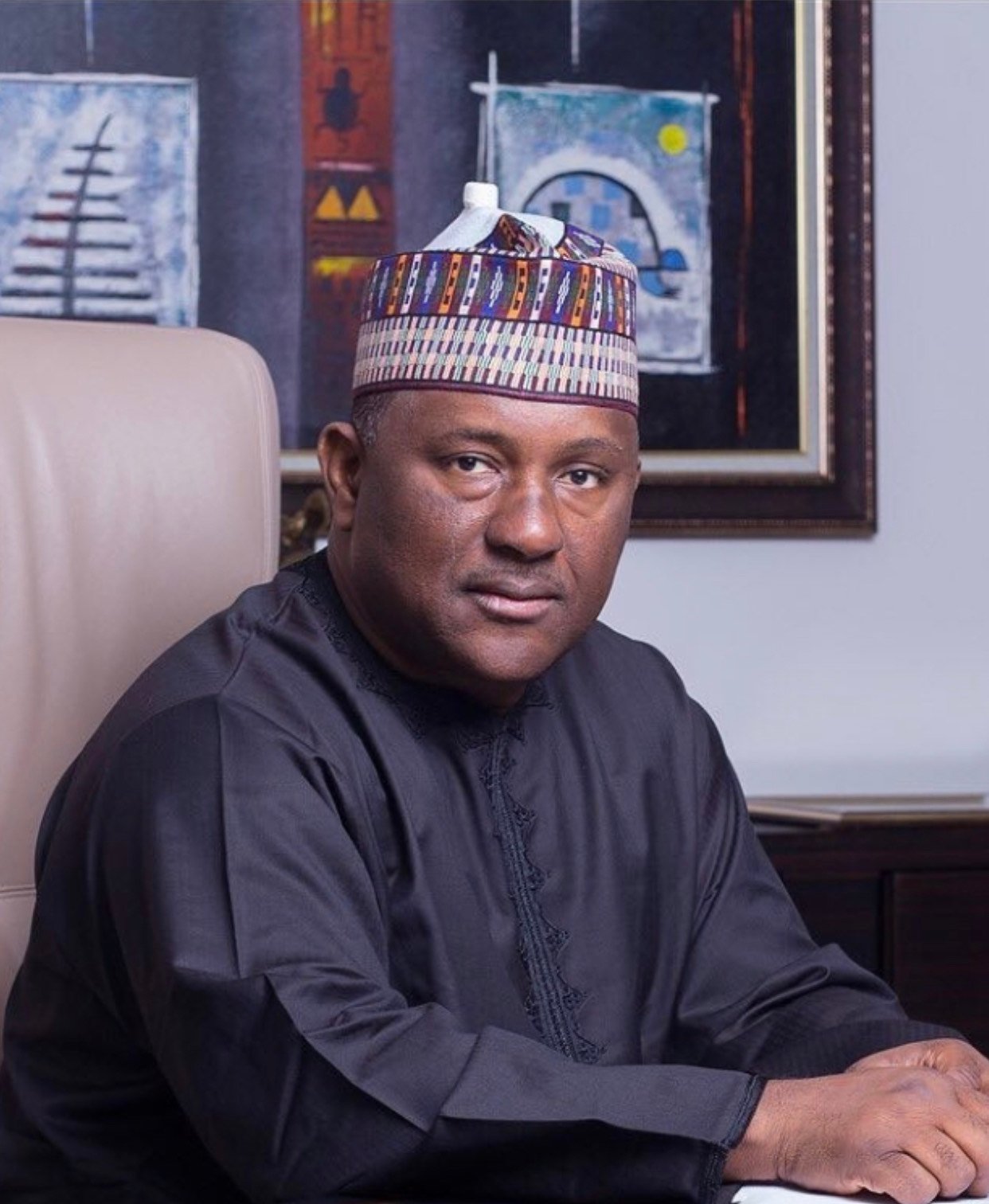
The growth of the Abdul Samad Rabiu business empire has also placed him among Africa’s wealthiest entrepreneurs. In March 2026, Forbes ranked him as the continent’s third-richest person, estimating his net worth at $11.2 billion.
Behind that fortune is a career built around commodity trading, industrial acquisitions and investments in manufacturing capacity.
Through BUA Cement and BUA Foods, the BUA Group founder has developed publicly listed companies operating in industries essential to construction and food production.
From Family Business to the Abdul Samad Rabiu Business Empire
Rabiu studied economics at Capital University in Columbus, Ohio, United States.
After returning to Nigeria, he worked in his family’s business, the IRS Group, gaining experience in commercial operations before establishing his own company.
In 1988, he founded BUA International Limited, initially concentrating on importing and trading commodities.
The business dealt in products including rice, edible oils, flour, pasta and iron and steel materials.
These activities introduced Rabiu to markets where demand for essential products created opportunities for distribution and supply.
His early operations also included trading steel products and supplying materials to rolling mills in Nigeria.
At this stage, the company operated primarily as a trading enterprise, purchasing and distributing commodities rather than producing them on a large industrial scale.
However, Rabiu gradually expanded its activities into manufacturing.
The transition became a defining development in the Abdul Samad Rabiu business empire, creating opportunities to invest in production facilities and develop businesses serving Nigeria’s domestic market.
For the BUA Group founder, moving into manufacturing meant committing capital to industries with significant infrastructure and operational requirements.
It also marked the beginning of the company’s development into a diversified industrial conglomerate.
Don’t Miss This:
The Manufacturing Investments That Transformed BUA Group
One of BUA Group’s early manufacturing milestones came in 2001 when the company acquired Nigerian Oil Mills Limited.
The acquisition expanded the group’s involvement in edible oil processing and represented a significant development in its industrial operations.
In 2005, BUA established flour milling facilities in Lagos and Kano, extending its presence in food manufacturing.
The company subsequently expanded into sugar refining.
By 2008, BUA had commissioned a major sugar refinery, strengthening its participation in a sector serving food manufacturers and consumers.
These investments reflected a broader change in the company’s business model.
Instead of concentrating primarily on imported commodities, BUA began developing facilities capable of processing and manufacturing products locally.
The Abdul Samad Rabiu business empire was consequently expanding across several industries connected to essential consumer and industrial demand.
The group’s development also involved investments in logistics, port operations and other supporting activities.
These businesses helped broaden its commercial operations and established the foundation for further expansion.
For the BUA Group founder, manufacturing offered an opportunity to participate directly in production while building businesses with long-term industrial assets.
How Abdul Samad Rabiu Built BUA Cement
Cement manufacturing became one of Rabiu’s most significant investments.
In 2009, BUA acquired a controlling interest in the Cement Company of Northern Nigeria, commonly associated with Sokoto Cement.
The investment strengthened the group’s presence in Nigeria’s construction materials industry.
BUA subsequently developed a major cement manufacturing complex at Obu-Okpella in Edo State.
The first production line was commissioned in 2015, marking another important stage in the group’s industrial expansion.
Further investment increased the facility’s production capacity.
BUA also expanded cement manufacturing operations in Sokoto, adding production lines as the business developed.
In January 2020, BUA Cement began trading on the Nigerian stock market following the consolidation of the group’s cement interests.
The publicly listed company brought together major manufacturing assets under one corporate structure.
This development increased the visibility of the group’s cement operations within Nigeria’s capital market.
It also established BUA Cement as one of the country’s leading cement producers.
For the Abdul Samad Rabiu business empire, cement manufacturing became a major source of business value and an important contributor to Rabiu’s personal fortune.
The company’s subsequent financial performance demonstrated the commercial significance of those investments.
BUA Cement Records ₦1.2 Trillion Revenue in 2025
BUA Cement reported substantial growth in its financial performance for the year ended December 31, 2025.
According to the company’s published results, revenue reached approximately ₦1.2 trillion, representing an increase of 34.5% from ₦876.5 billion in 2024.
Gross profit rose to ₦604.1 billion from ₦300.2 billion.
Profit after tax increased to ₦356 billion, compared with ₦73.9 billion in the preceding year.
The company reported these results to shareholders at its annual general meeting in May 2026.
Shareholders also approved a dividend of ₦10 per share.
The figures demonstrated a substantial improvement in the company’s reported profitability during the financial year.
They also reflected the commercial scale of a business that had developed through acquisitions, manufacturing investments and expansion projects.
For the BUA Group founder, the company’s performance represented an important milestone in the development of his industrial interests.
However, BUA Cement’s revenue and profit belong to the listed company and should not be confused with Rabiu’s personal income.
The company’s performance also remains subject to economic conditions affecting the cement industry, including production costs, infrastructure requirements and construction demand.
BUA Foods and the Expansion of the Abdul Samad Rabiu Business Empire
Beyond cement, Rabiu has developed substantial business interests in food manufacturing.
BUA Foods was established as a consolidated business bringing together major food production activities associated with BUA Group.
The company operates across product categories including sugar, flour, pasta and rice.
In January 2022, BUA Foods began trading on the Nigerian stock market, establishing another publicly listed company associated with Rabiu.
Its development reflected the group’s longstanding involvement in food processing and commodity markets.
The business has continued expanding its operations while serving consumers and commercial customers.
In March 2026, BUA Foods announced its audited financial results for the year ended December 31, 2025.
Revenue increased to ₦1.77 trillion from ₦1.53 trillion in 2024, representing growth of approximately 16%.
Profit after tax reached ₦518.4 billion, an increase of 95% compared with the preceding financial year.
The company’s total assets rose to ₦1.39 trillion.
BUA Foods also proposed a dividend of ₦28 per share, compared with ₦13 in the previous year.
These results highlighted the scale of the group’s food manufacturing operations and their contribution to the wider Abdul Samad Rabiu business empire.
For the BUA Group founder, the development of BUA Foods demonstrated how investments in essential consumer products could become a significant part of a diversified industrial portfolio.
How Abdul Samad Rabiu Became Africa’s Third-Richest Person
Rabiu’s business interests have made him one of Africa’s wealthiest individuals.
In its March 2026 ranking of African billionaires, Forbes estimated his net worth at $11.2 billion.
That placed him third on the continent, behind Aliko Dangote and Johann Rupert.
Forbes reported that his estimated fortune had increased by approximately $6.1 billion compared with its previous annual ranking.
The increase was closely associated with the rising market value of BUA Cement shares.
According to Forbes, the company’s share price had increased by approximately 135% over the preceding year.
The ranking illustrated how ownership stakes in major publicly listed companies can influence estimates of personal wealth.
However, billionaire valuations are not fixed amounts of cash.
They fluctuate as share prices, exchange rates and the estimated value of private investments change.
For this reason, Rabiu’s $11.2 billion fortune represents Forbes’ March 2026 assessment rather than a permanent valuation.
The Abdul Samad Rabiu business empire remains closely associated with his controlling interests in BUA Cement and BUA Foods.
For the BUA Group founder, the growth of these businesses has established a financial profile extending beyond the trading enterprise he created in 1988.
Abdul Samad Rabiu’s Philanthropy and Social Development Work
Rabiu’s activities also extend beyond industrial investment.
He established the Abdul Samad Rabiu Africa Initiative, known as ASR Africa, to support social development programmes.
The initiative focuses on areas including education, healthcare and social infrastructure.
Its activities include partnerships and projects intended to improve access to essential facilities and services.
Rabiu has also supported philanthropic activities through the BUA Foundation.
These initiatives form part of his wider involvement in social development alongside his business interests.
His public responsibilities have included serving as chairman of Nigeria’s Bank of Industry and chairman of Tropical Continental Bank.
He is also associated with the France-Nigeria Business Council, which supports commercial relationships between businesses in both countries.
These roles reflect his participation in financial institutions and international business engagement beyond the companies he founded.
They also illustrate how his career has developed across manufacturing, investment and institutional leadership.
The Business Legacy of Abdul Samad Rabiu
Nearly four decades after establishing BUA Group, Abdul Samad Rabiu remains one of Nigeria’s most prominent industrial entrepreneurs.
His business journey began with commodity trading and gradually developed into investments in manufacturing facilities, industrial acquisitions and publicly listed companies.
The development of BUA Cement and BUA Foods represents a significant chapter in that history.
Both companies operate in sectors with substantial demand and have reported major financial results.
Together, they demonstrate the commercial reach of the businesses associated with Rabiu.
The Abdul Samad Rabiu business empire also illustrates the role of manufacturing investment in developing companies capable of serving large domestic markets.
From food processing to cement production, BUA’s businesses operate in industries connected to everyday economic activity.
The group’s development has required long-term investment, production expertise and the ability to manage businesses across different sectors.
For the BUA Group founder, the journey from trading in 1988 to leading major manufacturing companies has been defined by expansion into increasingly complex industries.
His estimated wealth reflects the financial value of those investments, but the wider business story is the transformation of BUA Group into a diversified industrial organisation.
As the companies continue operating in Nigeria’s manufacturing sector, their long-term performance will remain central to Rabiu’s legacy.
His career offers an example of how an African entrepreneur can move from commodity distribution into industrial production and develop businesses with substantial economic influence.
Don’t Miss This:
Image Credit: The Elites Nigeria